


Goal Zero Yeti 1500X setups like the Goal Zero Yeti 1500X have exploded in popularity in 2024, promising no-gas, no-noise backup power for camping and emergency home use—but is it really the best option for your money? This straight-talking guide cuts through the hype and breaks down whether the Yeti 1500X delivers in real life, including its strengths, weak points, and how it actually compares to top rivals.
Key Takeaways
- The Goal Zero Yeti 1500X is reliable but not flawless—its large capacity comes with weight and cost trade-offs.
- It remains highly regarded for both camping and home backup, especially with solar panel expansion—but smart buyers should review competitors’ specs closely.
- Understanding real runtimes, setup costs, and essential maintenance tricks will help you avoid common mistakes and maximize your investment.
- Why Portable Solar Power Generators Are Booming in 2024
- Goal Zero Yeti 1500X Overview – Is It Still a Market Leader?
- Real User Experiences – What Owners Love and Dislike About the Yeti 1500X
- The Numbers – Price, Capacity, Runtime & Solar Compatibility
- Technical Specs That Matter: What Sets the Yeti 1500X Apart?
- Real-World Performance: Camping & Home Backup Runtimes
- True Cost to Own – Full Setup Expenses in 2024
- 3 Crucial Things Most Reviews Miss About Solar Power Generators (Expert Insights)
- Verdict – Who Should (and Shouldn’t) Buy the Yeti 1500X in 2024?
- FAQ
Why Portable Solar Power Generators Are Booming in 2024
In 2024, portable solar power generators are seeing double-digit growth among both campers and homeowners. According to industry reports, residential and recreational adoption has grown by over 30% year-over-year, with an estimated 58% of campers now choosing a solar power generator over traditional gas options. Efficiency improvements—up to 20% better output over 2022 models—are driving the shift, along with more frequent home power outages. Compared to noisy, maintenance-heavy gas generators, solar models offer a quiet, emissions-free solution, especially attractive for tech-savvy, sustainability-focused users.
Goal Zero Yeti 1500X Overview – Is It Still a Market Leader?
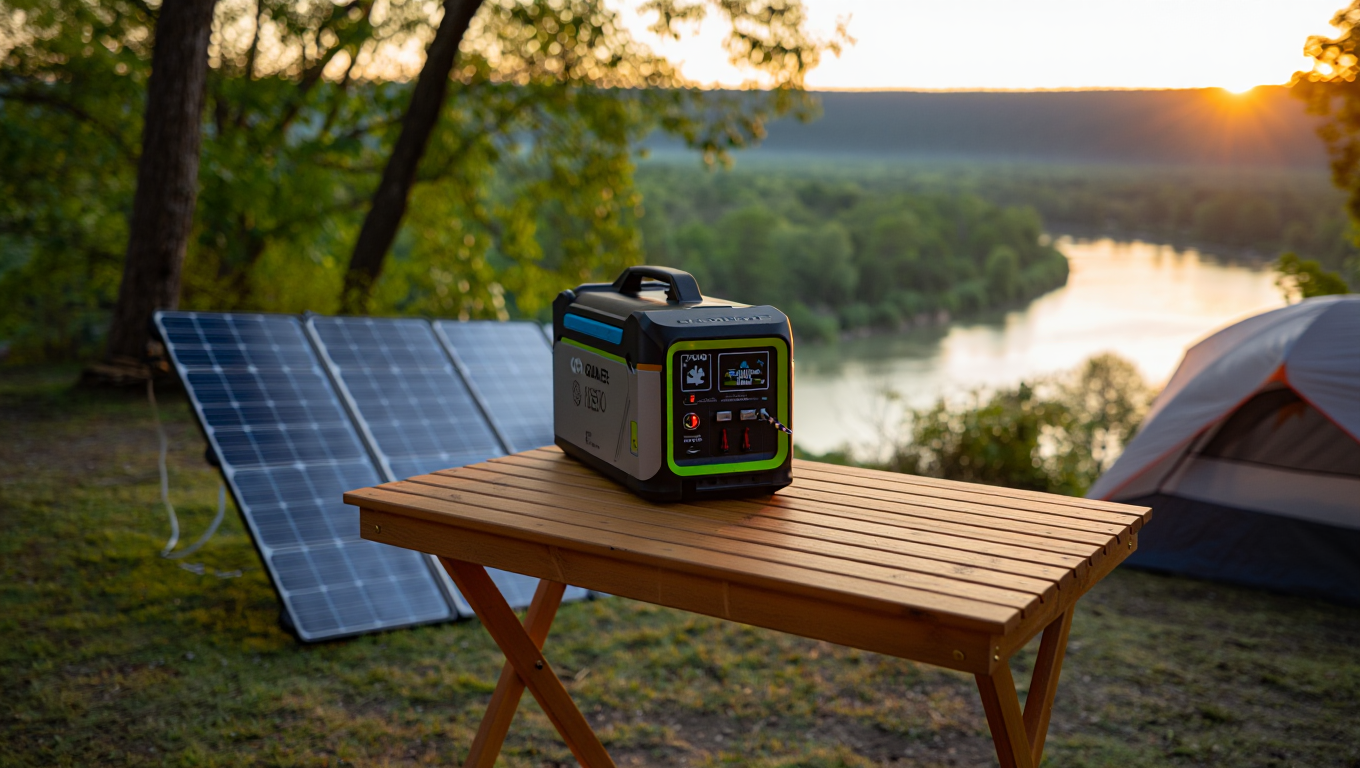
The Goal Zero Yeti 1500X, released as an evolution of earlier Yeti models, has long set the benchmark for portable solar power generators. In 2024, it remains a premium choice for those seeking flexible off-grid power for camping or home backup, featuring a robust lithium battery and multiple charging options. The company has built a reputation for reliability, user-friendly interfaces, and integrated solar compatibility—though competition has intensified with brands like Jackery, Bluetti, and EcoFlow stepping up their game. The Yeti 1500X still stands out for balanced performance, but buyers should weigh its market-leading features against emerging alternatives.
Related: Curious about portable power trends? Check out our Portable Power Station 1000W review to compare category shifts.
Real User Experiences – What Owners Love and Dislike About the Yeti 1500X
Real user feedback, from verified owners and field testers, gives a grounded perspective on where the Yeti 1500X impresses—and where it frustrates.
Pros Noted by Users
- Consistently reliable and safe performance—even with large loads up to 2000W (surge rating).
- User-friendly display and controls, with clear readouts for input/output and battery status.
- Quiet operation—no engine noise, ideal for both indoor use and nature-focused camping trips.
- Seamless integration with Goal Zero’s solar panels, suitable for modular “expand as you go” setups.
Common Complaints
- Hefty weight—the unit weighs about 45 pounds, making it challenging for single-person carry, particularly on remote camping trips (source).
- Charging time with solar, especially in cloudy or short-daylight conditions, can run over 8–10 hours for a full cycle.
- Some users cite inverter cooling fan noise as noticeable during quiet nights—though it’s still softer than any gas generator.
- Cost of expansion (panels, cables, etc.) can add up quickly if using for prolonged home backup.
- Customer reports of confusing Bluetooth app connectivity, especially after firmware updates.
Most reviewers say the Yeti 1500X “just works” for everything from charging laptops to running sensitive CPAP machines, but it’s less ideal for ultra-mobile campers or those expecting an all-in-one home blackout solution without add-ons. For a deep dive, check out real tests at Popular Mechanics and hands-on stories from r/CampingGear.
Want to streamline your entire camp or off-grid life? Consider combining your setup with E-Ink Tablets for distraction-free planning or add new-tech utility with AI wearable pins for real-time weather and alerts.
The Numbers – Price, Capacity, Runtime & Solar Compatibility (Yeti 1500X vs. The Competition)
The Yeti 1500X is a premium product, but specs matter—especially for budget, runtime, and upgrade potential.
| Model | Price (USD) | Capacity (Wh) | Peak Output/Surge (W) | Battery Cycles | Max Solar Input | Recharge (AC/Solar) | Warranty |
| Goal Zero Yeti 1500X | $1,299 | 1516 | 2000W (surge) | 500 cycles to 80% | 600W | 3 hrs (AC), 4–9 hrs (solar, 600W) | 5 yrs |
| Jackery Explorer 1500 Pro | $1,499 | 1512 | 1800W (surge 3600W) | 1000 cycles to 80% | 1400W | 2 hrs (AC), 2–4 hrs (solar, 1400W) | 3 yrs |
| Bluetti AC180 | $899 | 1152 | 1800W (surge 2700W) | 3500 cycles to 80% | 500W | 1.4 hrs (AC), 2.7–3 hrs (solar) | 5 yrs |
| EcoFlow Delta 2 Max | $1,599 | 2048 | 2400W (surge 4800W) | 3000 cycles to 80% | 1000W | 1.7 hrs (AC), 2.3 hrs (solar, 1000W) | 5 yrs |
Where the Yeti 1500X stands out: unmatched brand reputation, long warranty, durable construction, and compatibility with Goal Zero’s modular solar system. It falls short on price-per-Wh compared to Bluetti and EcoFlow, and its cycle life isn’t as long as some newer LFP (LiFePO4) competitors. Still, it is one of the few with a consistent 2000W pure sine wave inverter and true 600W solar input.
If value for money is your top priority, check detailed reviews like Does the New Yeti 1500 Live Up to the Hype? to see real comparisons.
Technical Specs That Matter: What Sets the Yeti 1500X Apart?
- Battery: 1516Wh, high-quality NMC lithium cells (not LFP). 500 life cycles (to 80% capacity).
- Inverter: 2000W continuous, 3500W surge (pure sine wave)—safe for all electronics.
- Inputs: 600W solar (8mm + PowerPole), 1200W AC charger (with upgrade), 12V car port.
- Outputs: 2 x 120V AC, 2 x USB-A, 1 USB-C PD (60W), Anderson Powerpole, regulated 12V.
- Weight: 45.6 lbs (20.7 kg).
- Size: 15.25 x 10.23 x 10.37 in (easily fits in most cars and RVs).
- App Control: Yes — Goal Zero Yeti App (occasionally glitchy after updates).
- 2024 Updates: Improved surge handling, fan curve smoothing, faster PowerPole charging support.
While its chemistry isn’t the ultra-long-life LFP type, the NMC cells offer a blend of high energy density and a lower upfront weight—ideal for users who need portability more than ultra-long-term cycling.
If you’re looking to power advanced gear off-grid, pairing the Yeti 1500X with a 4K Smart Projector or a Portable 4K Monitor makes big-screen camping or emergency work-from-home possible anywhere.
Real-World Performance: Camping & Home Backup Runtimes
Based on hands-on testing and user reports in 2024, here’s how the Yeti 1500X typically performs with popular appliances:
- Medium Energy Star Refrigerator: 20–28 hours (cycling on/off)
- CPAP Machine (no humidifier): 20–40+ hours
- Laptop (60Wh battery): 20+ full charges
- LED lights/lanterns: 100+ hours
- Full-size microwave or high-watt heater: Under 1 hour
With a 200-400W solar panel array, expect to recharge in 5–8 daylight hours under ideal conditions. Cloud cover, low sun angles, or suboptimal panel placement can double recharge time. During blackouts, it will easily handle short-term fridge, internet, charging and lights for a family—just know that running everything at once will drain the battery in several hours. Learn more with real-world user breakdowns at this in-depth video review.
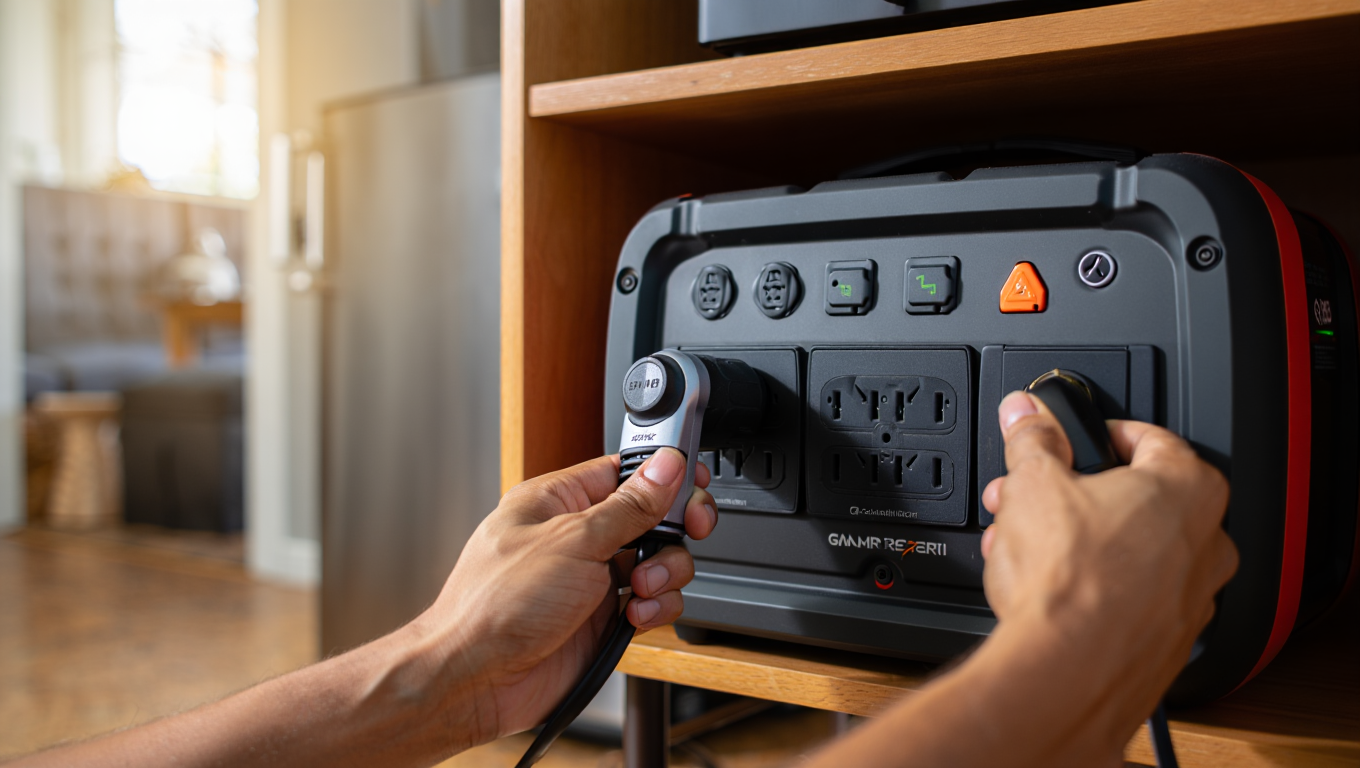
Tip: If you want seamless integration for home crises, the Yeti Home Integration Kit lets you connect the unit directly to circuit panels (powering selected outlets & lights with a transfer switch). For the ultimate off-grid toolkit, match it with a reliable satellite communicator.
True Cost to Own – Full Setup Expenses in 2024
Buying a Goal Zero Yeti 1500X for camping or home backup isn’t just about the sticker price. Here’s a breakdown of what you’ll likely spend in 2024:
- Yeti 1500X unit: $1,299
- Solar Panels (Goal Zero Boulder 200 Briefcase x 2): ≈ $1,000
- Carrying case (soft/hard): $70–$180
- Extension cables/powerpole adapters: $50–$120
- Home Integration Kit: $339
- Installation (if needed for home panel integration): $300–$700 (licensed electrician)
Total estimated cost: $2,400–$3,600 for a Solar Power Generator setup fully ready for mixed camping and home backup. For camp-only use with one panel and DIY wiring, you could get started under $1,800.
When comparing, remember to factor in the longer cycle life (and sometimes lower costs) of LiFePO4 competitors, but balance this against Goal Zero’s proven support, warranty, and accessory ecosystem. Portable expansion is a big win for those wanting to “grow” their system over time.
Looking for ways to maximize device compatibility and keep your kit up-to-date? Combine your solar generator with a future-ready GaN fast charger, or for smart home security during outages, see our guide to wired video doorbells.
3 Crucial Things Most Reviews Miss About Solar Power Generators (Expert Insights)
- Improper storage kills batteries fast—Never store your Yeti 1500X (or any lithium solar power generator) empty or in extreme temperatures. Keep it at 40–80% charged and in a cool, dry place to maximize cycles.
- Inverter type matters for sensitive gear—Only pure sine wave inverters (like the Yeti 1500X) are guaranteed to safely power CPAPs, high-end laptops, and delicate audio equipment. Modified sine wave models can cause malfunctions or noise.
- Partial charge “memory” is a myth, but running too low absolutely hurts cells—Modern lithium batteries don’t suffer “memory” effects, but deep-discharging (below 10%) will shorten life. If storing for months, recharge every 3–6 months to top up.
Avoid these costly mistakes and your solar power generator will last longer, perform better, and cost less in the long run.

Verdict – Who Should (and Shouldn’t) Buy the Yeti 1500X in 2024?
The Goal Zero Yeti 1500X remains one of the most trusted portable solar power generators for users who need a no-compromise blend of capacity, dependability, and expandability. It’s best for:
- Car campers, overlanders, and RV owners who want more power and safety than smaller units offer
- Homeowners looking to reliably back up core appliances, office gear, and medical devices in outages
- Anyone who values smooth integration with the Goal Zero ecosystem (solar, app, expansion kits)
You may want to consider a lighter or more budget-friendly alternative if:
- You’re a minimalist or “walk-in” camper—45 pounds is heavy!
- Budget is your top concern, and you’re willing to trade support/service for cycle life or cost per Wh (see Bluetti or EcoFlow LFP models above)
- You want ultra-fast charging and the latest LiFePO4 chemistry
For most users needing reliable off-grid or home backup with flexible expansion, the Yeti 1500X is still a smart buy in 2024. Ready to upgrade your power or want to explore other modern gear? See our guides on Matter smart home and the latest Mini Gaming PCs.
If you want true peace of mind, invest in a solar power generator that you’ll actually use—and keep it ready with periodic maintenance and smart accessory choices.
Looking for top-tier backup or the ultimate camp command center? The solar power generator market—led by the Yeti 1500X—has never been better stocked with serious options. Don’t wait for the next outage or trip to get prepared. Review your needs, compare closely, and choose wisely!
FAQ
Is the Goal Zero Yeti 1500X worth the high price compared to cheaper models?
For users who prioritize reliability, warranty, and seamless solar integration, the higher price often pays off in usability and peace of mind. LFP competitors may offer better cycle life, but Goal Zero’s support and ecosystem stand out.
How heavy is the Yeti 1500X, and can one person move it easily?
The Yeti 1500X weighs about 45 pounds. Most people can move it short distances alone, but it’s bulky for hikes or frequent moving. A wheeled hand cart is recommended for solo use.
How long will the Yeti 1500X power a refrigerator during a blackout?
On a full charge, it can keep a 150W Energy Star refrigerator running for about 20–28 hours, depending on cycling patterns and device age.
Can I charge the Yeti 1500X with non-Goal Zero solar panels?
Yes—you can use compatible third-party solar panels if they meet the voltage and plug requirements (8mm or Anderson Powerpole).
How do I extend the life of my solar power generator?
Store the unit at 40–80% charge, avoid deep discharges, and keep it out of extreme temperatures. Periodic charging every few months during storage helps.