

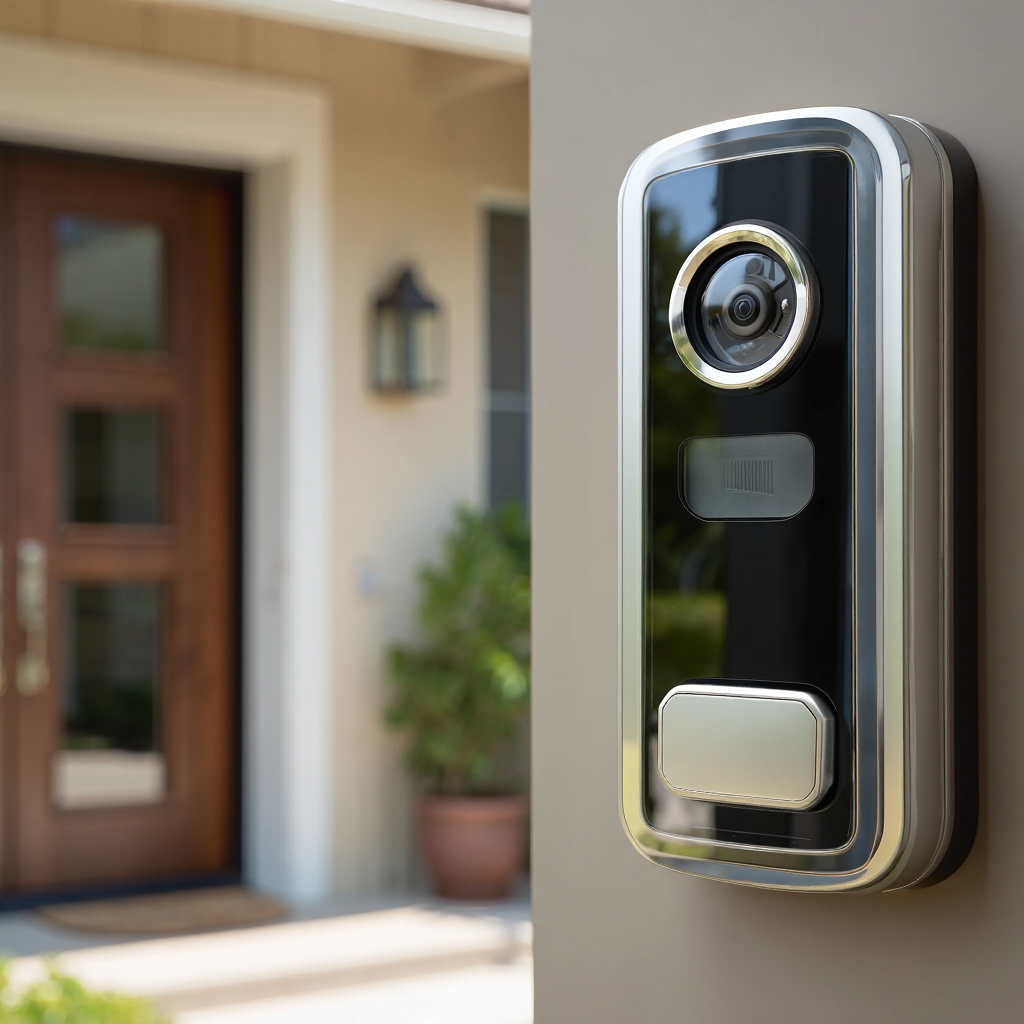
Video Doorbell Wired options have become the gold standard for smart home security in 2024—especially for homeowners ready to ditch batteries once and for all. The real question today isn’t whether you need a hardwired upgrade, but which model—Nest or Ring—delivers everyday reliability, futureproof features, and real savings in the long run.
Key Takeaways
- Ring and Nest dominate the wired video doorbell market in 2024, but their strengths diverge—especially in smart integrations and video clarity.
- Upfront costs are only half the story; factor in pro installation, subscriptions, and possible wiring or chime upgrades for a true long-term cost comparison.
- Retrofitting older homes often reveals hidden challenges that most online reviews skip—especially with chime compatibility and Wi-Fi stability.
- Video Doorbell Wired in 2024: Market Overview
- Nest Doorbell Wired vs Ring Video Doorbell Wired: Side-by-Side Specs
- Real-World Performance: From Night Vision to Smart Motion Detection
- Cost Breakdown: Upfront and Ongoing Expenses Compared
- Installation and Integration: What Most Reviews Miss
- Unique Features and Ecosystem Integration: Which Fits Your Home?
- FAQs They Don’t Answer: What to Know Before You Buy a Wired Video Doorbell
Video Doorbell Wired in 2024: Market Overview
Wired video doorbells are now the go-to for security-conscious homeowners who value reliability and deeper smart home connections. According to 2024 data in the Global Market Insights Smart Doorbell Report, Ring holds 39% of the North American wired video doorbell market, while Google Nest accounts for 29%. The remainder is scattered across lesser-known brands and DIY upstarts. This dominance isn’t just about branding—it reflects changing buyer priorities: hardwired reliability, lower maintenance, and more seamless ecosystem integrations.
In comparison, the popularity of hardwired video doorbells has overtaken battery-driven models, as users seek fewer maintenance interruptions and improved network stability. Consumer feedback in 2024 shows a growing demand for products that “just work,” particularly during power surges or harsh weather.
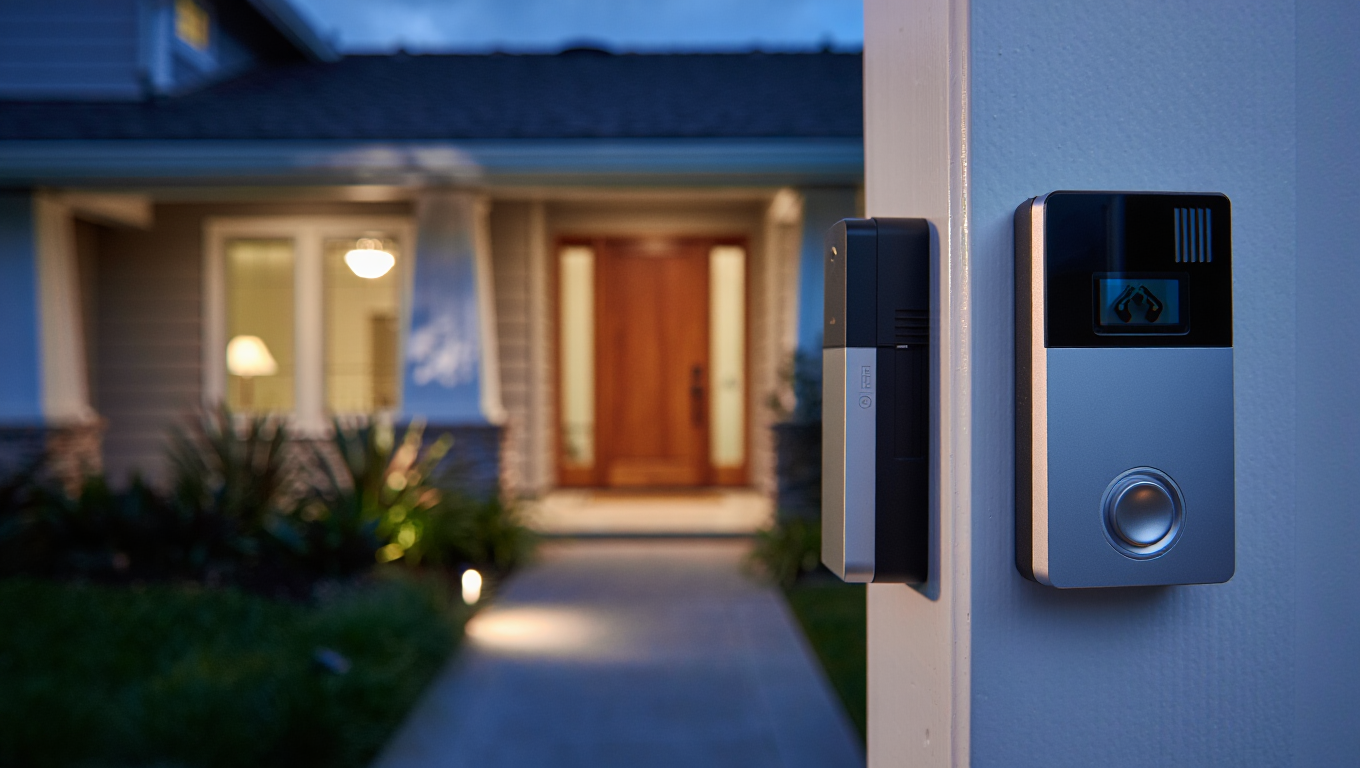
Real-world wisdom: Battery-free peace of mind is no longer a luxury. Go wired for reliability—especially in large or multi-level homes where Wi-Fi extenders are common.
Nest Doorbell Wired vs Ring Video Doorbell Wired: Side-by-Side Specs
Let’s strip away the hype and compare how Google Nest and Ring wired video doorbells actually stack up in their latest 2024 hardware.
| Feature | Google Nest Doorbell Wired (2nd Gen, 2024) | Ring Video Doorbell Pro 2 (2024) |
|---|---|---|
| Resolution | 960 x 1280 pixels (HD) | 1536p HD+ (1536 x 1536) |
| Field of View | 145° vertical | 150° horizontal + 150° vertical |
| Latency (Average) | 1.5–3 seconds | 1–2 seconds |
| Power Requirements | 16–24V AC (10VA) | 16–24V AC (10–40VA) |
| Chime Compatibility | Difficult with some old mechanical chimes; digital require adapter | Supports most chimes; Pro Power Kit sometimes required |
In everyday use, higher video resolution (Ring) brings sharper faces and packages—especially useful for identifying visitors or reading labels. Nest’s vertical field of view, however, is noticeably better for seeing deliveries left at your door. Latency differences are minor but can matter if you require instant alerts for security reasons.
Real-world wisdom: Prioritize what matters most in daily life: sharper video for security, or broader view for tracking deliveries and kids. Always check your doorbell circuit’s voltage before ordering.
Real-World Performance: From Night Vision to Smart Motion Detection
Specs don’t always equal satisfaction. Night vision, motion alerts, and weather resistance are where Google Nest and Ring diverge when your package arrives after sunset or a thunderstorm hits.
Night Vision: WIRED’s 2024 roundup found both deliver “usable but not flawless” night vision, with Ring slightly edging out Nest in harsh low-light and shadowy conditions due to improved infrared sensors. However, user forums point to some Nest models managing better facial recognition at night, even without ambient porch lighting.
Motion Alerts: Nest leads in smart object detection, distinguishing people, packages, and vehicles more consistently (especially with a Nest Aware subscription). Ring’s motion sensitivity is tunable, but users report more false notifications from passing cars or swaying plants.
Weather Resistance & Reliability: Both are IP-rated for dust and rain, but some users in northern and coastal zones report faster plastic fading and rare condensation on Ring devices after 2+ seasons. (See detailed reputation analysis from Security.org’s 2024 comparison.)
Real-world wisdom: Night vision claims rarely account for your home’s porch lights or unusual weather. If your entryway has tricky angles or strong sun, check for user-uploaded sample footage from homes like yours before buying.
Cost Breakdown: Upfront and Ongoing Expenses Compared
Price tags only tell part of the story. Here’s how real-world costs for Nest vs Ring look in 2024:
- Ring Video Doorbell Pro 2 (2024): MSRP $229.99; pro install averages $120–200; Ring Protect plans start at $4.99/month for basic video storage and $15/month for multi-device coverage.
- Google Nest Doorbell Wired (2nd Gen, 2024): MSRP $179.99; pro install averages $130–210; Nest Aware subscription is $8/month for whole home events, $15/month for 60-day video history and Familiar Face alerts.
- Hidden or Unexpected Costs: Chime adapters ($20–40), transformer upgrades ($30–90 if wiring doesn’t match), in-wall cable fixes (up to $250 in older homes). DIY installation is harder than reviews suggest if you have legacy wiring or a digital chime.
Long-term, Ring’s subscription is a bit cheaper if you only want basic archiving. But Google’s familiar face AI and event-based recording (in Nest Aware Plus) are frequently worth the bump for privacy-conscious households.
More side-by-side pricing and value breakdowns from Consumer Reports continue to show that installation mistakes and small adapters are the #1 driver of final price overrun.
Real-world wisdom: Add $100 cushion for hidden setup costs—especially if your home hasn’t had a smart doorbell before. Always check wiring and chime compatibility up front, not during installation.
Installation and Integration: What Most Reviews Miss
The installation experience for a wired video doorbell can make or break your overall satisfaction—and most reviews gloss over the headaches. Setting up a Ring or Nest is simple in new homes with up-to-code wiring, but retrofitting an older house brings hidden complications.
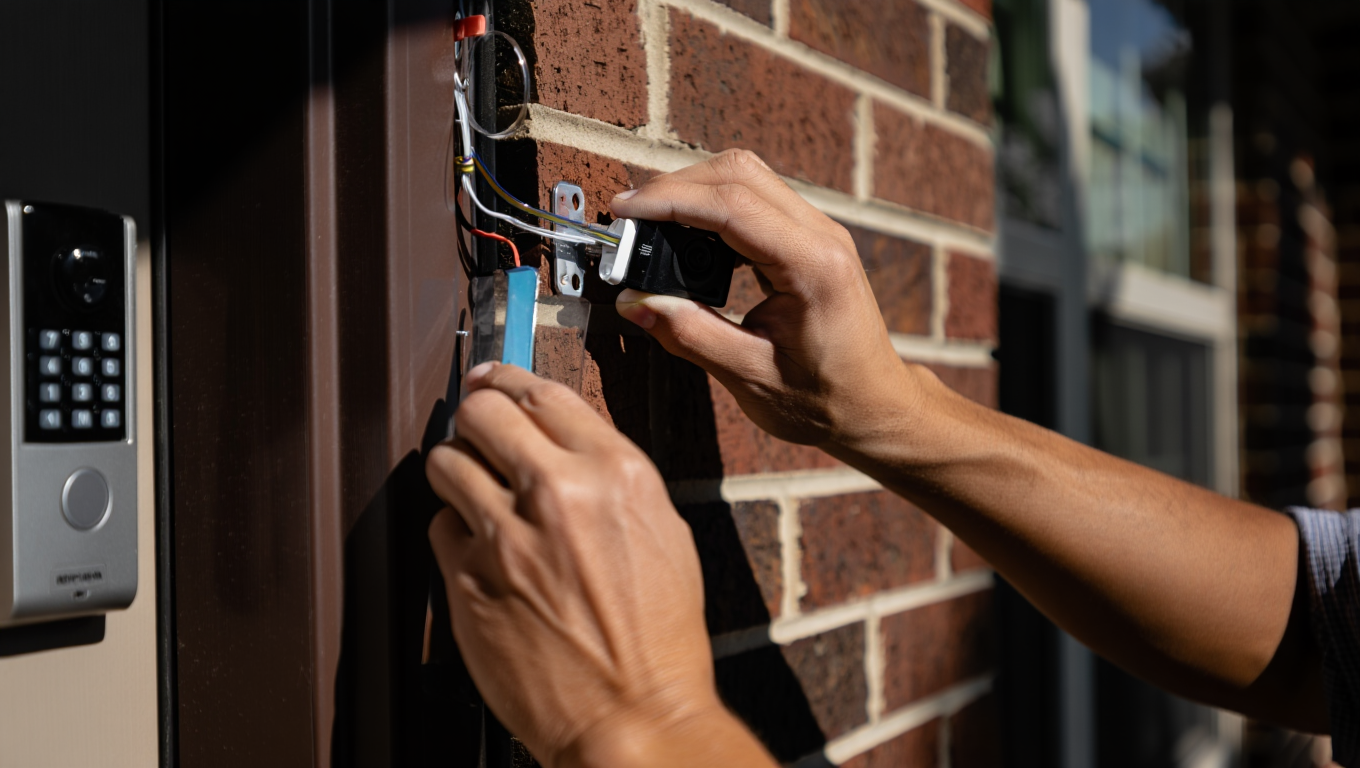
Even once powered, deep smart home integration can be frustrating. Alexa routines are robust with Ring and allow “announce” commands and smart lock triggers; Nest’s Google Home routines offer tighter facial recognition and auto-door unlocks with paired smart locks—but more limited third-party actions unless you use Matter or Home Assistant as your bridge. Users in tech forums cite 2024’s biggest issue: older digital chimes and multi-doorbell setups that break compatibility even after “smart” integrations promise simple plug-and-play.
Real-world wisdom: Count on spending extra time integrating with existing chimes and routines. Budget for adapter kits and test your automations in-app before relying on them for security.
Unique Features and Ecosystem Integration: Which Fits Your Home?
Ring and Nest have both moved fast to claim the “smart home hub” mantle, but their ecosystems still serve different households.
- Google Nest Exclusive: Familiar Face AI, best-in-class event-based recording, and seamless Matter smart home support. “Quick Replies” let you leave canned voice messages for visitors even when you’re busy.
- Ring Unique Features: End-to-end Alexa integration (including Echo announcements and voice responses), Priority Alexa routines (e.g., “lock the front door and turn on porch lights when motion detected”), and robust scene linking with smart locks, alarm systems, and third-party cameras. Integration with third-party audio alerts is a plus for accessibility.
- Third-Party Support: Google is friendlier with SmartThings, Apple Home, and Home Assistant. Ring is still “Alexa-first” but gaining Matter support with caveats.
Advanced users who want deep automation (door unlock on recognized face, lighting routines based on arrival) may prefer Nest, while households already deep into Alexa or Echo-based setups will be happier with Ring.
Real-world wisdom: Map out your existing smart devices and preferred routines before you buy. You’ll avoid integration headaches, especially for security triggers and notifications.
FAQs They Don’t Answer: What to Know Before You Buy a Wired Video Doorbell
Will my old doorbell transformer and chime work with a new wired video doorbell?
Not always. Many legacy transformers put out less than the recommended 16–24V AC (10–40VA) needed by Ring and Nest models in 2024. If your chime buzzes, fails to ring, or hums after install, an upgraded transformer or digital chime adapter may be required. Test your output with a multimeter before purchase for fewer surprises.
Is video alert latency better on a hardwired connection?
Usually yes, but not always. Network congestion and Wi-Fi strength still play a larger role than wiring. Wired doorbells average 1–3 second alert latency—up to 5 seconds if your router or internet is spotty. Use dedicated 2.4GHz Wi-Fi for your doorbell wherever possible.
How deep does integration really go—can my video doorbell trigger full home automations?
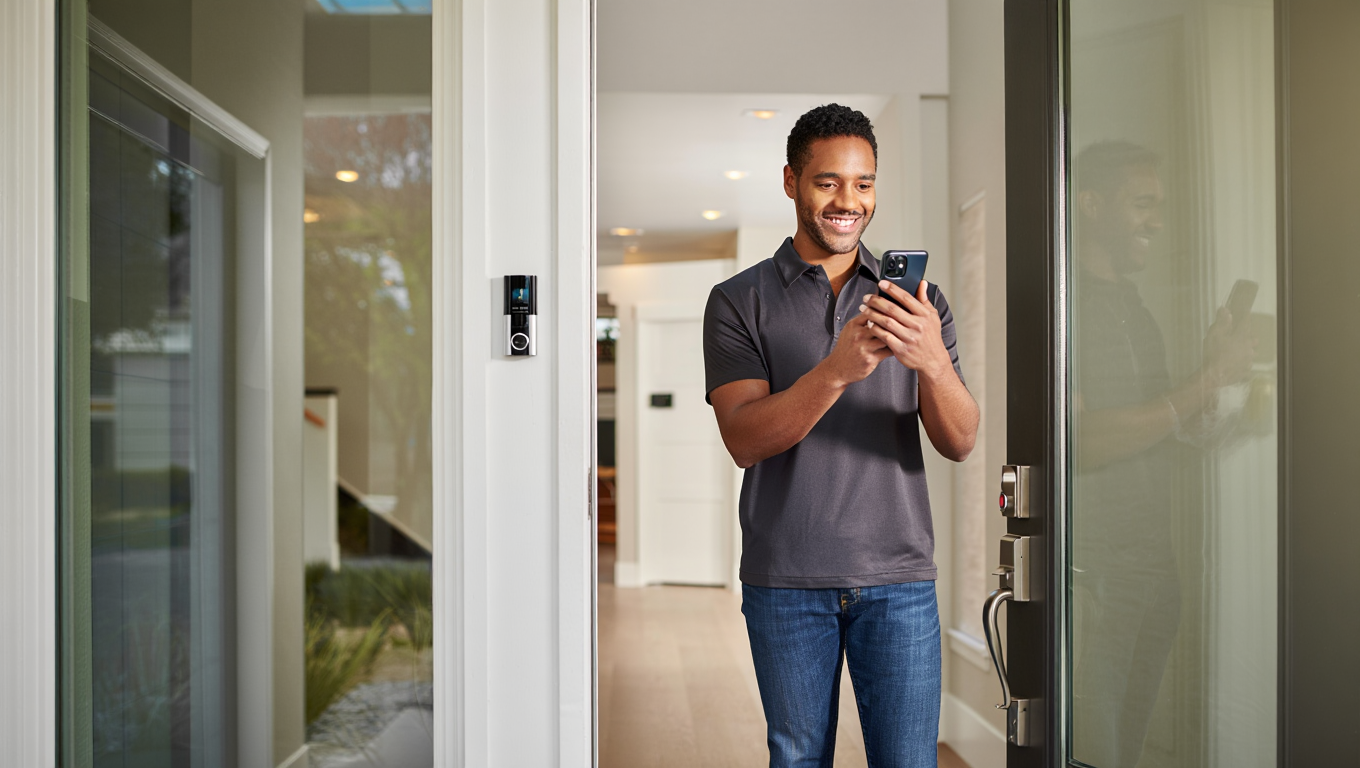
Yes, but only with certain hubs and platforms. Ring’s Alexa routines allow direct links with smart locks and alarms. Nest’s familiar face triggers are supported on Google Home routines and some Matter-compatible platforms. For advanced actions, you may still need third-party hubs like Matter or Home Assistant.
Should I go for professional installation—or DIY?
If your wiring is less than five years old and you’re comfortable using basic tools, DIY is realistic. For older homes, or if you see crumbling insulation or mystery wires, professional install is safer and worth the extra $120–$200. It reduces the odds of fried transformers or persistent chime glitches.
Do these systems really respect privacy—or will my footage be shared?
Both Ring and Google Nest pledge strict cloud privacy, but check the fine print on video storage and sharing with local law enforcement. Nest provides more granular event and face-based controls in their Plus subscription. Review Consumer Reports’ 2024 privacy analysis before making a choice.
Conclusion
For homeowners serious about security and hassle-free reliability, a video doorbell wired setup is the only future-proof approach in 2024. Ring edges out on video clarity and Alexa integrations, while Nest leads in object recognition and Google ecosystem smarts. No matter which route you choose, consider the real installation and integration work required. Ready to upgrade? Check your wiring, list your “must-have” routines, and invest for the long haul—your future self will thank you.
Take action now: Shop smart, test before you commit, and join the thousands future-proofing their entryway security with a system built for 2024 and beyond.