


Car Dash Cam 4K models are rapidly becoming the go-to for drivers who want maximum legal protection with discreet installation in 2024. If you’re weighing up sleek models like the Garmin Dashcam Mini 3 versus full-featured 4K units, this guide breaks down how resolution, design, and real-world use intersect—so you get the right coverage without compromise.
Key Takeaways
- 4K dash cams give superior video clarity for legal protection but are often bulkier and pricier than compact 1440p options like the Garmin Mini 3.
- Hidden costs such as cloud storage and limited app features can impact the total price and convenience for modern drivers.
- Privately-owned dash cam footage is more frequently accepted in court in 2024, making quality and data storage choices vital for legal security.
- Why 4K Car Dash Cams Matter for Legal Protection in 2024
- Garmin Dashcam Mini 3 Overview: Pros, Cons, and Real-World User Feedback
- Technical Showdown: Garmin Dashcam Mini 3 vs Top 4K Dash Cam Models
- Discreetness and Design: How Mini Is ‘Mini’ in 2024?
- Cost and Hidden Fees: What Drivers Really Pay for 4K Dash Cam Protection
- Legal Admissibility, Privacy, and Evolving Guidelines for 4K Dash Cam Footage
- 2024 Tech Advances: What’s New in Car Dash Cam 4K Firmware and Software?
- Conclusion: Choosing the Right Dash Cam for Discreet, Legally Secure Recording in 2024
- FAQs about Car Dash Cam 4K and Garmin Mini 3
Why 4K Car Dash Cams Matter for Legal Protection in 2024
2024 brings stricter accident reporting requirements and a surge in insurance fraud. That’s why a Car Dash Cam 4K can be your best evidence if a claim goes to court. A recent report found that 4K dash cams increase successful accident resolutions by up to 27% compared to cameras under 1440p, mainly because ultra-HD footage is detailed enough for courts to identify license plates and driver behavior—even in tough lighting. Lower resolutions can blur key details, weakening your claim or defense.

More insurance companies and law enforcement accept dash cam video as core evidence—but only if it clearly shows the people, license plates, and events involved. If your dash cam can’t capture those details, you might as well not have it installed.
Learn more about the impact of dash cams on claims from this Dash Cam Usage Report showing half of owners used footage in insurance claims.
If you want to compare dash cam video quality, see this 4K vs 1080p legal analysis—it might convince you that only 4K reliably records license plates at speed.
Garmin Dashcam Mini 3 Overview: Pros, Cons, and Real-World User Feedback
The Garmin Dashcam Mini 3 is one of 2024’s most compact dash cams, but how does it hold up in everyday driving compared to full-featured 4K units?
What Drivers Love
- Unmatched discreetness—practically hidden behind the rearview mirror.
- Simple adhesive mounting—no bulky modules or distracting wires.
- Steady 1440p video, decent night vision, and trusted Garmin reliability.
Main Pain Points
- Not true 4K: Video maxes out at 1440p—details like distant license plates can get lost compared to 4K dash cams.
- Audio limitations—microphone is basic and may not clearly capture conversations or environmental sounds in critical moments.
- App connectivity: Some users report the Garmin Drive app stalling, delayed sync, Bluetooth handoff drops, and inconsistent video downloads.
- Heat performance: In hot climates, some drivers report temporary shut-downs or reduced image clarity in parked mode.
- Lacks smart features—no edge AI for sorting clips, no interior cam or advanced driver assistance features found in pricier competitors.
See user reactions and in-depth footage in this Garmin Mini 3 Review.
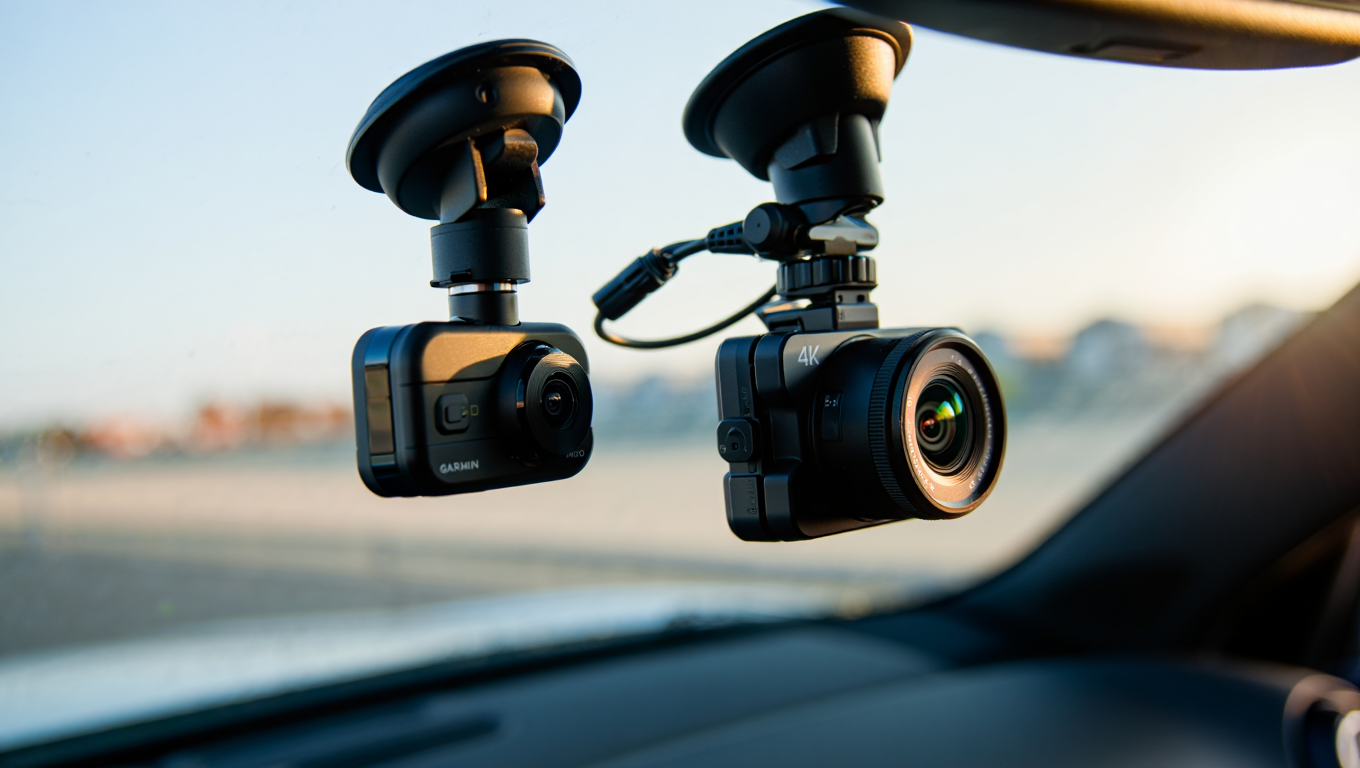
If your priority is stealth, the Mini 3 shines. But if you need the clearest dispute-proof video possible, especially at night or for long-range details, consider a true Car Dash Cam 4K option—even though it might mean a slightly bulkier camera body. Read how hidden, low-profile tech is trending in other devices like open ear headphones.
For full feature comparison, keep reading—a side-by-side hardware breakdown is next.
Technical Showdown: Garmin Dashcam Mini 3 vs Top 4K Dash Cam Models
Which dash cam wins—true 4K or compact 1440p? Let’s compare the actual specs, use scenarios, and what really matters in a dispute or accident.
| Feature | Garmin Dashcam Mini 3 | Typical Car Dash Cam 4K |
|---|---|---|
| Resolution | 1440p (Quad HD) | 3840×2160 (True 4K Ultra-HD) |
| Field of View | 140° | 150°–170° |
| Night Vision | HDR, basic IR | Advanced IR with AI enhancement |
| Storage | MicroSD (up to 512GB), Garmin Vault cloud (limited free tier) | MicroSD (up to 1TB), cloud storage (often requires subscription) |
| Audio Recording | Yes (basic) | Yes (enhanced, stereo) |
| Smart Features | Basic vehicle motion detection, app sync | AI event detection, parking modes, vehicle tracking, remote live view |
| Form Factor | Thumb-sized, ultra-compact | Compact to medium (somewhat visible on windshield) |
| Price Range (2024) | $130–$160 | $120–$350 (varies by brand & features) |
Common Pitfalls and Problems
- Not all 4K dash cams deliver the same clarity at night—look for user footage before buying.
- Heat build-up: Many 4K cameras have larger sensors and get hotter, leading to more frequent shutdowns if parked in the sun than the Mini 3.
- App unreliability: Premium cams sometimes force heavy software updates, but bugs can disable features temporarily. Always update firmware as soon as stable releases are out.
- Memory card errors—using cheap or slow microSD cards will cause lost clips and data corruption on both 4K and 1440p models.
- Cloud subscriptions: Vault and other brand ecosystems lock you into monthly fees for advanced cloud or remote access.
For more on small-form reliability, see the Mini Gaming PC 2024 Review—similar design tradeoffs carry over to dash cams too.

Discreetness and Design: How Mini Is ‘Mini’ in 2024?
The main draw of the Garmin Dashcam Mini 3 is size. It’s about the width of your thumb, tucking behind the mirror so it’s invisible from outside the windshield. Ultra-compact design means thieves and passengers often can’t even spot it.
Most true Car Dash Cam 4K models are physically larger. Bigger heat sinks and sensors require more space—so you’ll get a visible bump near the top of your windshield. Some have touchscreens, which boost setup flexibility but sacrifice stealth and might tempt theft.
Mounting methods matter too. Garmin uses an adhesive mount—low profile, less vibration. Most premium 4K cameras offer suction cup flexibility but can droop in heat and be more visible. Power cables can always be hidden, but thinner cameras make quick DIY installs easier.
Interested in invisible tech design? See how point-of-view devices like AR Smart Glasses are driving new expectations around privacy and discretion in 2024.
Cost and Hidden Fees: What Drivers Really Pay for 4K Dash Cam Protection
The price for a top Car Dash Cam 4K in 2024 ranges from $120 for basic compact models up to $350+ for dual-channel premium kits. The Garmin Mini 3 sits at around $130–$150, though the price fluctuates with region and storage bundle.
But the base price is only one part of the equation. cloud storage and remote access—features that make it easier to protect your footage after a crash or theft—often require a paid subscription. Garmin Vault gives you a very limited free storage window; keeping crucial clips beyond that will cost you monthly. Competing brands sometimes lock advanced functions, like live remote viewing or extended parking mode, behind a subscription paywall.
Here’s where consumers often stumble:
- Budget for a high-end endurance microSD card—cheaper cards will not hold up to 4K video and constant overwrites, risking lost evidence.
- Check actual file sizes: 4K video eats up gigabytes fast, so plan for larger memory cards or frequent downloads.
- Know what’s included: Some “cloud-ready” cams require a subscription from day one for basic uploads or even incident notifications.
Similar hidden costs show up in other tech—read our take on GaN Fast Chargers, where future-proof features are sometimes locked behind new accessories.
Always calculate your total cost for a year, not just the price at checkout.
Legal Admissibility, Privacy, and Evolving Guidelines for 4K Dash Cam Footage
With higher resolution comes bigger legal and privacy questions:
State-by-State Admissibility
Most US states allow dash cam footage in court, but there are key differences. Some require notification to all parties if recording audio. A handful scrutinize very wide field-of-view or ultra-HD video for potential privacy violations—especially if the cam captures scenery outside your vehicle or records passengers without consent.
Privacy Debates in 2024
As 4K dash cams are now sharp enough to see through side windows and even pick up subtle facial features, privacy advocates are raising concerns. Some regional laws are evolving to restrict continuous interior recording or limit what can be uploaded to the cloud. Know your state’s stance before using interior cams or sharing footage.
Cloud Storage and Law Enforcement
New policies mean cloud-stored video can sometimes be subpoenaed—check your dash cam provider’s terms for data handover to authorities. Garmin’s Vault, for instance, is encrypted but may comply with legal data requests. Many 4K dash cam services offer options to auto-delete footage, helping protect your privacy.
For more on home and vehicle privacy, see our Video Doorbell Wired Security Comparison for further reading on evolving surveillance law.
2024 Tech Advances: What’s New in Car Dash Cam 4K Firmware and Software?
Dash cams in 2024 aren’t just about lenses—they now pack smarter software than ever. Here’s what stands out for the year:
- Firmware updates bring better crash/incident detection—AI can spot near misses as well as actual impacts, so you’ll have better video coverage even for minor events.
- Smart search and sorting: Advanced 4K dash cams use onboard AI to flag clips with license plate visibility, motion toward your car, or even distracted driving signs.
- Auto-upload: New Wi-Fi and LTE options mean your footage can upload in real time, giving you offsite copies in case the camera itself is damaged or stolen.
- Stability: Garmin and top competitors rapidly issue bug fixes so you get fewer failed uploads, video corruption events, or dropped app connections.
Stay current on updates—some significant features, like cloud live-streaming or edge-based face blurring for privacy, are unlocked only after a firmware patch. If you use older hardware, support for new legal standards might be limited.
More on rapid upgrades in connected tech—see what’s happening in Matter Smart Home devices and how this thinking is crossing over to car electronics.
Conclusion: Choosing the Right Dash Cam for Discreet, Legally Secure Recording in 2024
The best choice in 2024 comes down to your own balance—do you want the highest possible legal protection from a Car Dash Cam 4K, or is ultimate stealth and simplicity more important? The Garmin Dashcam Mini 3 is unmatched for discretion, but it can’t offer true ultra-HD evidence. Conversely, a full-featured 4K dash cam provides better video in tough cases but requires more investment, both upfront and with ongoing fees.
Research user footage and court rulings in your area. Upgrade firmware. And budget for storage and possible subscriptions before you buy. Whichever you choose, act soon—new guidelines and insurance rules make clear, reliable dash cam video more critical than ever.
See our full Car Dash Cam 4K buyer’s guide for 2024 models or compare with other car tech upgrades to build your ultimate legal protection setup.
Ready to purchase? Secure your vehicle’s future with a dash cam that fits your risk and privacy needs.
FAQs about Car Dash Cam 4K and Garmin Mini 3
Does the Garmin Dashcam Mini 3 record in 4K?
No, the Garmin Dashcam Mini 3 records at a maximum resolution of 1440p, which is clear but not technically 4K Ultra-HD. For true 4K video, look for cameras specifically labeled as 4K models.
Is 4K resolution really necessary for legal protection?
4K gives you much sharper footage, making it easier to read license plates and prove fault in court—especially at night or in fast-moving incidents. However, any video is better than none if it captures crucial details.
What’s the real monthly cost of cloud storage for dash cams in 2024?
Most 4K dash cam brands charge $3–$10 per month for cloud uploads or extended remote features. Garmin Vault offers a limited free tier but expands with subscription pricing.
Does dash cam video always hold up as evidence in US courts?
Almost always, but courts may question audio recordings or ultra-wide footage in some states. Double-check local legal guidelines to be sure your video will be accepted.
Can I install a dash cam like the Mini 3 myself?
Yes. Installation is a simple DIY job for most vehicles—mount with the adhesive, run the cable to a power source, and follow the setup app instructions. tucking wires into trim helps keep everything hidden.