

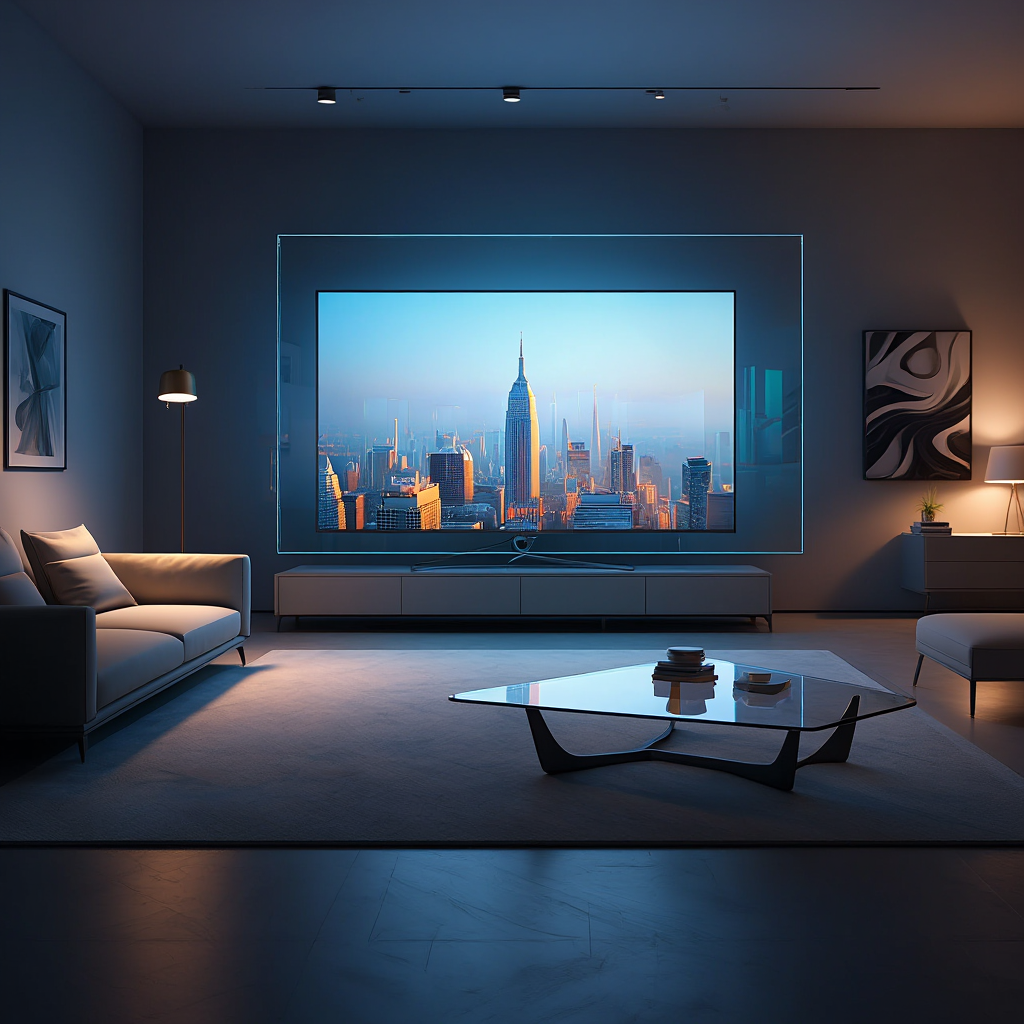
Transparent TV is transforming how we think about home entertainment, offering a futuristic viewing experience that goes far beyond traditional screens. In 2024, LG’s transparent OLED lineup puts this tech within reach of luxury homes—yet real-world performance, price, and practicality still raise important questions.
Key Takeaways
- Transparent TV technology delivers striking aesthetics, but premium LG OLED models remain expensive and tricky for most homes in 2024.
- Major real-world challenges include glare, lower contrast, cleaning difficulty, and limited content optimization.
- Innovative applications—like interactive windows or room dividers—show untapped potential as the technology matures and prices decrease.
- What Are Transparent TVs? Understanding the Technology
- LG Transparent OLED TV Price in 2024: Consumer and Commercial Offerings Compared
- Transparent TV Market Adoption and Growth (2022–Mid 2024)
- Core Engineering & Supply Chain Challenges Limiting Transparent TVs
- Real-World Usability: Practical Challenges Home Users Report
- Unique Home Entertainment Scenarios: Where Transparent TVs Shine
- Recurring Negative Reviews: LG Transparent OLED TVs Under Scrutiny
- Conclusion: Should You Buy a Transparent TV in 2024?
- FAQ
What Are Transparent TVs? Understanding the Technology
A transparent TV uses advanced transparent OLED technology, delivering moving images with the TV off blending nearly seamlessly into its environment. Unlike traditional displays, a transparent TV can appear almost invisible, letting natural light and objects behind it show through. Compared to alternative transparent display types, OLED stands out for its self-illuminating pixels, slim profile, and color vibrancy—but with clear technical trade-offs.
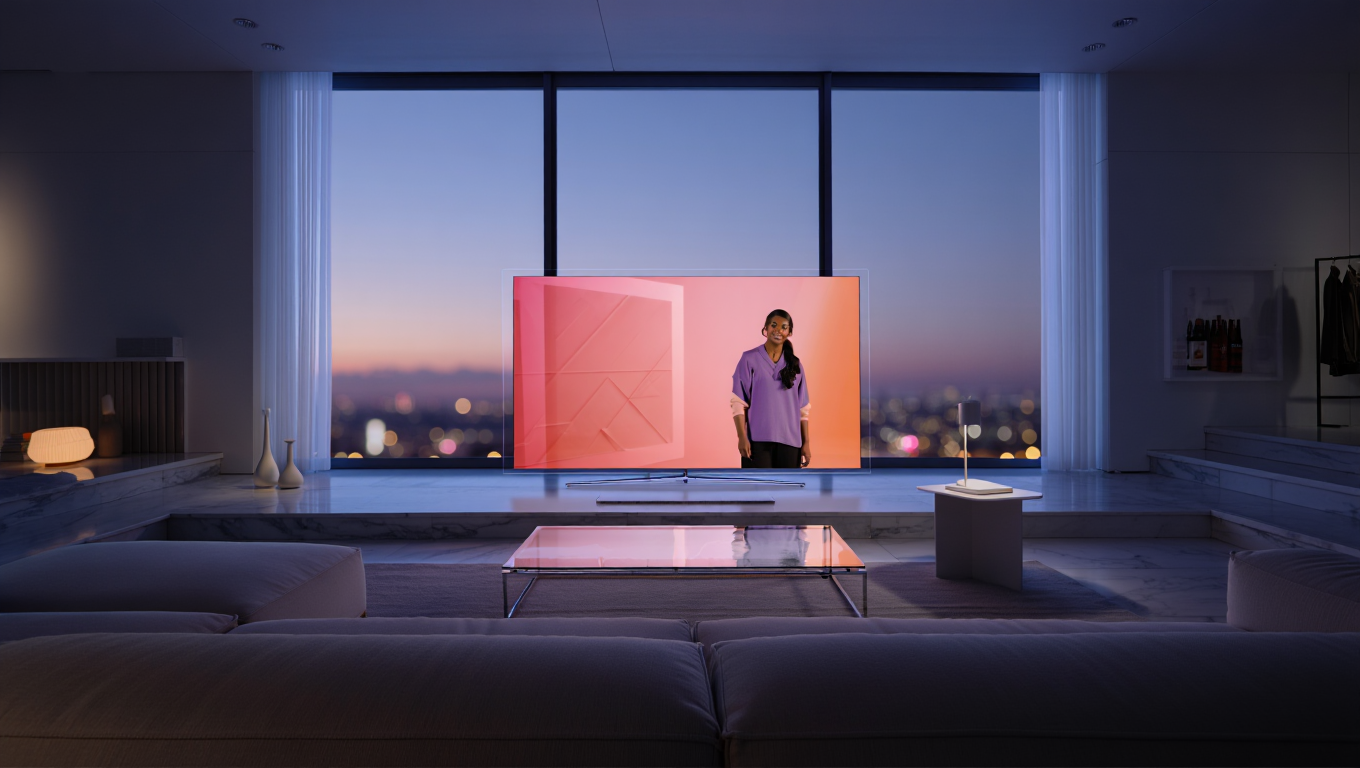
LG leads the transparent TV market. The LG Transparent OLED TV (model 55EW5G) offers:
- Transparency: Up to 38%
- Brightness: 400 nits (limited, lower than conventional OLEDs)
- Resolution: 4K Ultra HD (3840 x 2160)
- Sizes: 55-inch, with 77-inch pilot concepts demoed in 2024
- Color/black reproduction: Good in controlled light, but black levels appear gray in bright rooms
- Thickness: Under 1 cm
For in-depth technical specs, LG showcases their transparent OLED lineup as the “world’s first wireless transparent 4K OLED TV”—more details can be found in their official newsroom brief.
LG Transparent OLED TV Price in 2024: Consumer and Commercial Offerings Compared
- Consumer models are estimated between $50,000 and $70,000 (mainly reserved for early adopters and luxury interiors)
- Commercial signage models range lower, from $18,000 to $35,000
Standard LG OLED TVs for comparison cost $1,500–$4,000 (for 55-77” sizes). Competing transparent TV brands, like Xiaomi and Panasonic, remain niche or prototype only. Market segmentation reflects this gap: true consumer-friendly transparent TVs are rarely available for direct home use in 2024, while commercial installations in retail and hospitality are gaining traction.
For more, LG’s transparent OLED launch announcements provide further price context. This also highlights how early technology adoption impacts pricing and exclusivity.
If you’re exploring related tech upgrades, our AI Wearable Pin insights detail similar innovation hurdles for new device categories.
Transparent TV Market Adoption and Growth (2022–Mid 2024)
Despite headline buzz, transparent TV adoption rates remain limited for home users—well under 1% of the market as of 2024. Commercial sales in luxury retail and hospitality environments reached up to 10% of new digital signage deployments.
Key 2024 market data:
- Global transparent display market size: $1.2 billion (2024 estimate)
- Annual transparent OLED shipments: Still niche, with premium pricing keeping residential adoption low
- Regional trends: East Asia (South Korea, Japan, parts of China) and luxury markets adopting fastest
- CAGR: 14–19% projected growth through 2027 as costs drop
For broader electronics market trends, consider our comparison of E-Ink tablets—another growing segment with unique screen advantages.
Transparent TV sales are expected to accelerate if home models become affordable and offer performance closer to standard OLEDs. Read more at ecoustics CES 2024 coverage.
Core Engineering & Supply Chain Challenges Limiting Transparent TVs
Transparent TV development faces major hurdles:
- Pixel density and contrast: Achieving both accurate color and transparency leads to weaker black levels—blacks look milky in open rooms.
- Ambient light & glare: Sunlight and household lighting can wash out images dramatically.
- Screen size limits: Few transparent OLEDs available over 77”. Larger panels suffer yield issues and high manufacturing costs.
- Manufacturing yield: For large transparent OLEDs, yield rates remain under 60%—this means a lot of panels do not meet quality standards, pushing up prices.
- Glass substrate sourcing: Specialized ultra-clear glass is in short supply.
LG and its competitors have announced production improvements but mass-market affordability remains years away. Similar issues challenge the Steam Deck OLED refresh—balancing display performance, cost, and availability.
Real-World Usability: Practical Challenges Home Users Report
Transparent TVs look stunning in concept, but daily home use uncovers real annoyances:
- Ambient lighting: Surveyed early adopters cite glare and washed-out images as the #1 hurdle (63%).
- Viewing angles: Optimal picture only from straight-on view; side viewing is often disappointing.
- Privacy: See-through screens can be problematic in apartments or dense living spaces—anyone can see what you’re watching from behind.
- Durability: 41% of owners mention how easily the screen collects fingerprints, smudges, and requires delicate cleaning to avoid permanent marks.
- User interface/software: Current transparent TV software isn’t as polished as standard smart TVs. Home-focused content modes are lacking.
If practical convenience matters most to you, consider alternatives like portable AI translators or next-gen AI devices for home upgrades.
Unique Home Entertainment Scenarios: Where Transparent TVs Shine
While most transparent TVs are used in retail, the most exciting home applications are just emerging:
- Smart windows and room dividers: Transparent TVs can serve as interactive glass partitions, combining display with open sight lines.
- Augmented art frames: Blend digital artwork with real backgrounds to create visually dynamic decor—almost like a living picture that adapts to your room.
- Transparent aquarium/furniture integration: Build a display into aquarium sides or glass furniture, displaying visual effects or info overlays.
LG’s concept demos at CES 2024 hint at these possibilities, standing apart from what Samsung, Xiaomi, or Panasonic currently provide. These ideas are included in recent LG showcase videos.
Designers and AV consultants are showing interest—much like interest in AR smart glasses for lifestyle integration.
Recurring Negative Reviews: LG Transparent OLED TVs Under Scrutiny
According to 2024 review roundups and early-adopter surveys, LG Transparent OLED TVs receive mixed to negative feedback from buyers:
- Image quality: Over 50% of negative reviews cite black levels and overall contrast as primary complaints. “Blacks” look gray, especially in daylight.
- Color performance: Colors appear washed out in rooms with any ambient light presence.
- Fragility: The ultra-thin screen feels delicate; concerns about long-term durability are common.
- Complex installation: Requires custom mounting and carefully controlled lighting.
- Commercial use: Software is tailored for signage, not home streaming or gaming. Some owners report image ghosting.
Traditional OLED TVs—see the Steam Deck OLED comparison—perform much better for pure image quality at a fraction of the cost.
Conclusion: Should You Buy a Transparent TV in 2024?
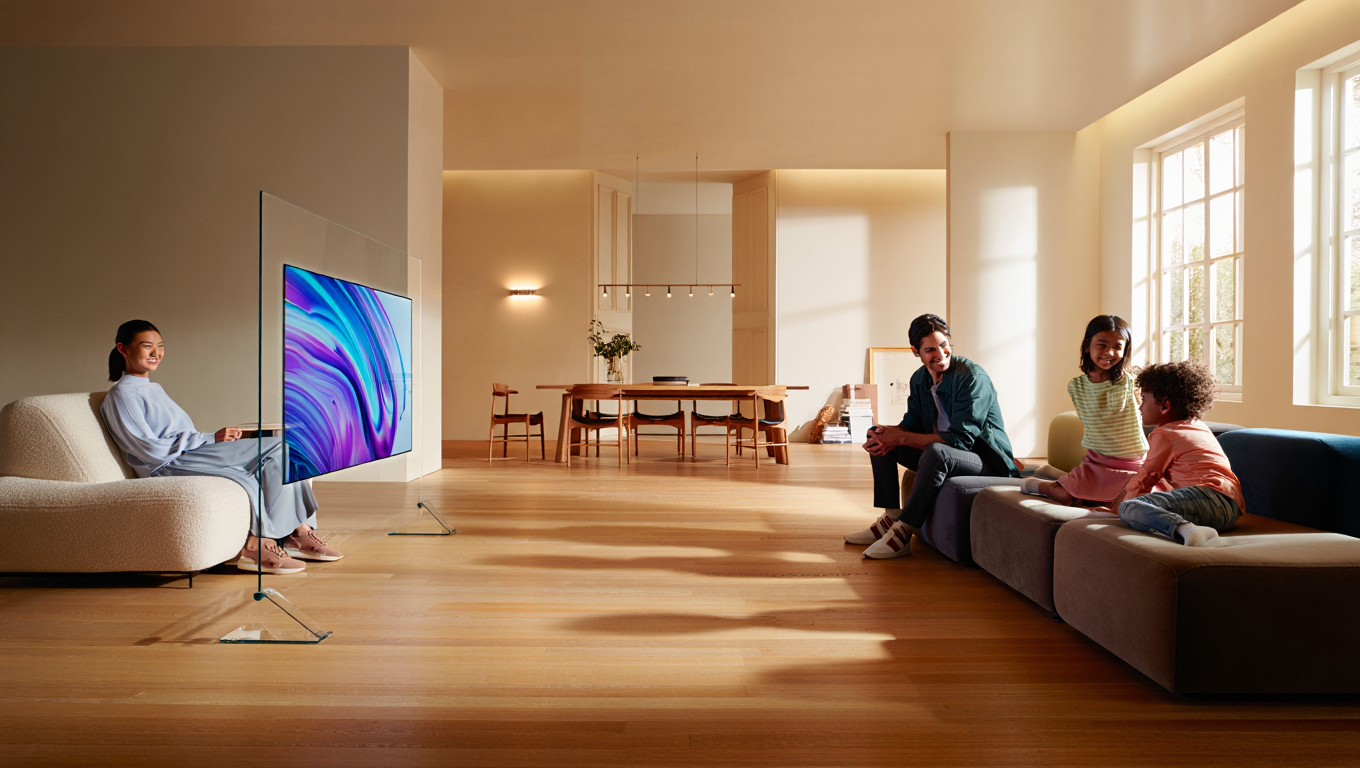
Transparent TVs—especially LG’s high-end OLED lineup—offer stunning conversation pieces and push the boundaries of home display tech. But in 2024, prices remain sky-high, real-world transparent TV usability can disappoint, and pitfalls are common. Unless you have a dedicated, designer-lit space and crave the wow factor above all else, waiting for better affordability and improved screen tech (likely by 2025–27) is smart.
Curious? Book a showroom demo or subscribe for hands-on transparent screen reviews.
FAQ
How much does a transparent TV cost in 2024?
Consumer transparent OLED TVs cost between $50,000 and $70,000 in 2024. Commercial signage models range from $18,000 to $35,000.
Can you get transparent TVs for home use?
Yes, but they are extremely expensive and mainly available through special dealers. Most installations are found in high-end residences or luxury commercial spaces.
What are the biggest problems with transparent TVs?
Major complaints include weak black levels, glare in bright rooms, fragility, cleaning difficulty, and high price.
Are there any affordable transparent TV alternatives?
Not yet. Standard OLED TVs provide far superior image quality for typical home use and cost much less.
What innovative uses exist for transparent TVs?
Creative applications include smart windows, art frames blending digital visuals with your room, and aquarium or furniture displays—these are becoming more common in high-end design, not mainstream homes yet.