

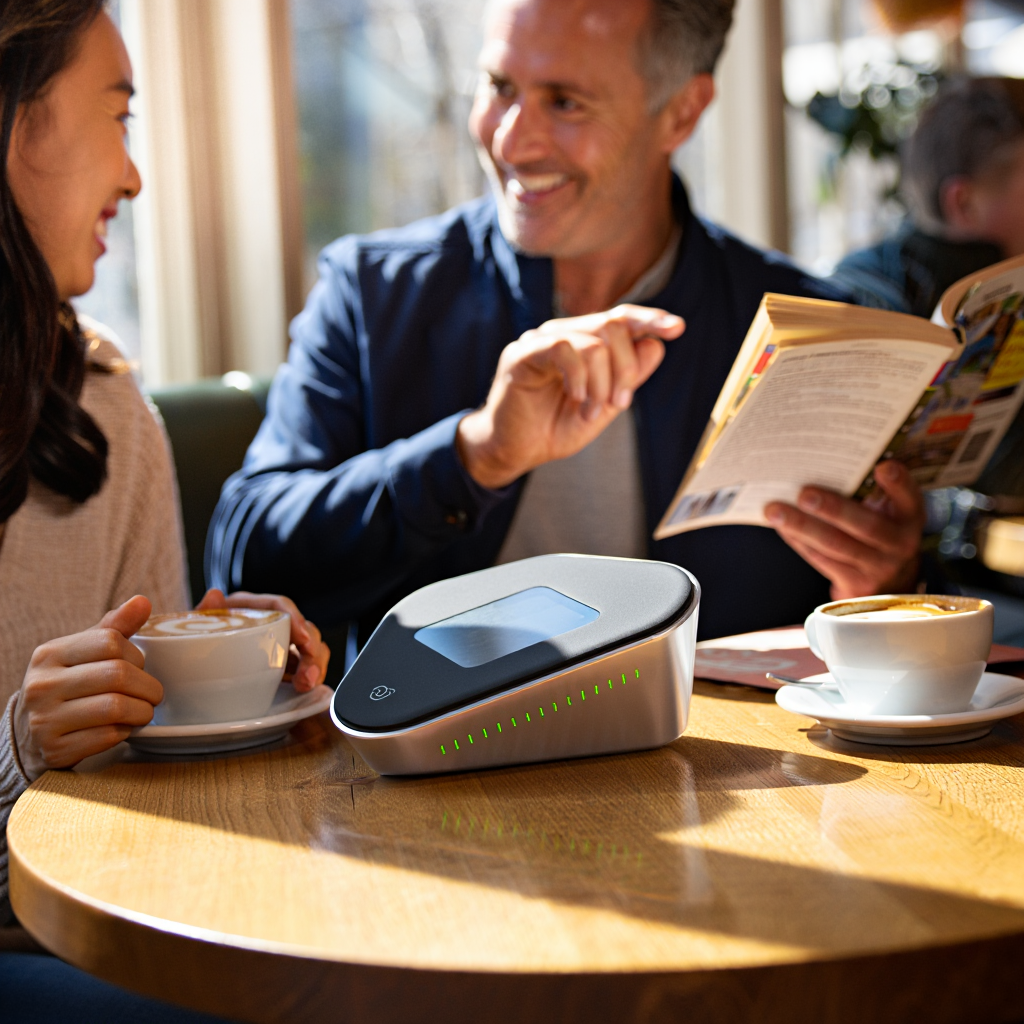
Portable AI Translator devices have quickly become essential for business professionals and frequent travelers in 2024, solving real-world communication barriers—whether you are at a bustling airport, in fast-paced trade negotiations, or navigating a hospital in an unfamiliar country.
Key Takeaways
- The portable AI translator market is surging in 2024, with offline translation performance and real cost transparency now the top decision factors for users on the move.
- Timekettle leads with multilingual offline support, intuitive features, and strong real-world accuracy—beating many rivals in business and travel use cases.
- Caveats remain: understand device limitations, hidden costs, and how real users still encounter offline translation challenges before you buy.
- 2024 Global Market Trends in Portable AI Translators
- Timekettle Translator Review: How Does It Rank Against Leading Competitors?
- Real-User Pain Points: Where Portable AI Translators Still Fall Short
- The Cost of Portability: Timekettle Translator Pricing, Subscriptions, and Hidden Fees
- Offline Translation Capabilities and Language Support: Where Timekettle Stands Out
- Technical Specs That Matter: Latency, Battery, Build & Travel Readiness
- Timekettle’s Accuracy in Context: How Does It Perform in Real-World Scenarios?
- Untapped Needs: What Frequent Travelers and Business Users Want Next
- Should You Buy the Timekettle Portable AI Translator in 2024?
- FAQ
2024 Global Market Trends in Portable AI Translators
In 2024, portable AI translators are experiencing record growth across both travel and business sectors. The global portable language translator market reached an estimated $1.12 billion in sales in 2024 (source), driven by the demand for seamless cross-language conversation without the burden of WiFi costs or unreliable roaming. Sales trends reveal that adoption has jumped by more than 25 percent year over year, with APAC and Europe as emerging hotspots.
This clamor for convenience is largely due to a new generation of devices offering robust offline capabilities. Business travelers now expect reliable translation at global trade shows and remote offices, while vacationers want to avoid embarrassing communication breakdowns in cabs or at border crossings. The fastest-growing market segment in 2024: offline-capable, pocket-sized AI translators that work anywhere, even in airplane mode.
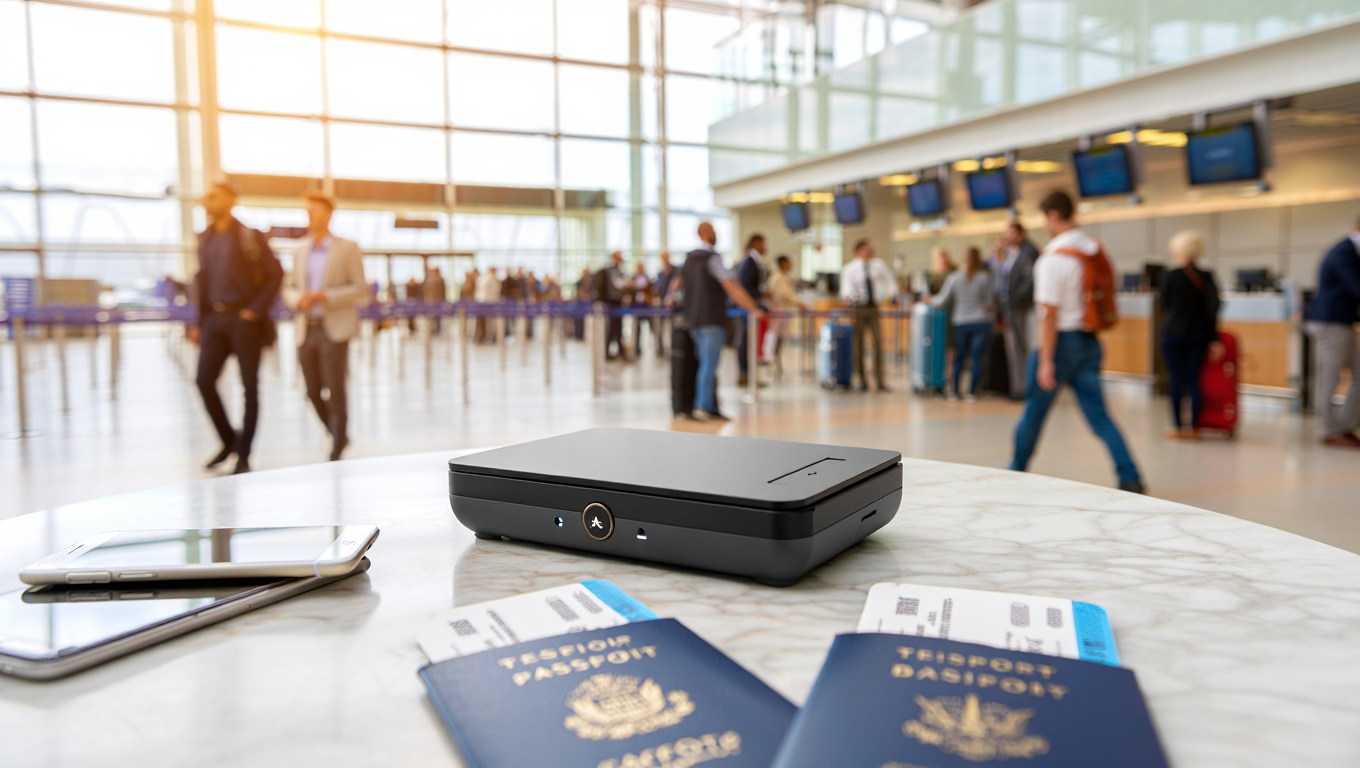
Timekettle Translator Review: How Does It Rank Against Leading Competitors?
Timekettle has seen an impressive surge, capturing roughly 22 percent of the portable AI translator market share in early 2024, ranking it among the top three device makers globally (Forbes). In hands-on tests, the flagship Timekettle X1 Pro and T1 models stand out for reasons business travelers appreciate: simultaneous two-way translation, easy touch controls, and seamless Bluetooth/earbud integration. This enables hands-free, multi-speaker group conversations and split-device (hub) translation, particularly valuable at conferences and in fast-paced business meetings.
Timekettle’s translation speed and offline performance consistently rank in the top tier—typically under 0.5 seconds latency (source). While Pocketalk boasts solid voice recognition, it limits offline languages (just seven fully supported as of 2024), whereas Timekettle leads with wider multi-language offline capability.
Compared to Pocketalk and Travis Touch, Timekettle’s translation speed and offline performance consistently rank in the top tier—typically under 0.5 seconds latency (source). While Pocketalk boasts solid voice recognition, it limits offline languages (just seven fully supported as of 2024), whereas Timekettle leads with wider multi-language offline capability.
If you’re interested in parallel AI hardware innovations and trends, projects like AI Wearable Pin and Smart Ring Health Tracker are also worth exploring for a broader view.
Real-User Pain Points: Where Portable AI Translators Still Fall Short
Despite rapid progress, real-world users continue to highlight persistent pain points in 2024. According to Amazon and tech forum reviews, the most common complaints include:
- Offline translation problems: Over 35% of verified reviewers note that offline language packs lack context sensitivity—meaning idioms and specialized terms may be botched.
- Connectivity confusion: Many users are surprised to learn that not all languages are available offline, requiring internet for full support.
- Subscription confusion and costs: New users are sometimes caught off guard by required premium subscriptions for advanced features or unlimited translation.
In context-heavy conversations—for example, during a medical emergency or business legal negotiation—even industry-leading devices sometimes miss subtle local dialects or tone. These blind spots mean a human interpreter is still occasionally necessary.
If you’re following wearable translation device trends, consult the AI Wearable Pin article for another angle on language assistance innovation.
The Cost of Portability: Timekettle Translator Pricing, Subscriptions, and Hidden Fees
As of mid-2024, the Timekettle T1 base model retails for $159, while the advanced X1 Pro series is $349. Offline language packs start at $19.99 per language, with an annual app subscription ranging from $39 to $59 for unlimited cloud translation and extra features. Replacement earbuds and carrying cases are extra.
By comparison, Pocketalk’s standard device comes in at $199, but offers only seven offline languages before add-ons and subscriptions. Travis Touch retails for approximately $239 but also charges for advanced offline and real-time features. Over a two-year ownership period, the total cost of portability—device plus all major language packs—can sit between $200 and $350 for moderate users, putting Timekettle in the middle of the pack for true international travelers. Remember to factor in hidden costs like app subscriptions and replacement hardware.
Price transparency is an ongoing issue across the industry. Always verify which languages are included offline before you buy and if usage is capped without a subscription.
Offline Translation Capabilities and Language Support: Where Timekettle Stands Out
Timekettle’s biggest selling point among business professionals is its robust offline support. In 2024, Timekettle supports 13 offline languages (including English, Spanish, Mandarin, Japanese, Russian, French, German, Korean, Italian, Portuguese, Dutch, Polish, Arabic) compared to seven for Pocketalk and five for Travis Touch (Timekettle Review).
Unique features include:
- Multi-person simultaneous translation: Enable group discussions with split devices (e.g., multiple earbuds).
- Dual-mic array with noise cancellation: Helps pick up quieter voices in loud environments like airports.
- Hands-free voice pickup: Especially useful at registration counters or when your hands are full.
- Real-time translation hub mode: Just released at CES 2024, harnessing multiple devices for team use (Forbes).
This allows a business team to host a work session or negotiate travel issues without requiring every participant to download an app or rely on mobile data. The edge is clear in contexts like busy trade shows, group tours, or medical teams on the road.
Technical Specs That Matter: Latency, Battery, Build & Travel Readiness
Hardware matters—especially when you expect your device to last a full sales conference or back-to-back travel. Here are the specs that separate the best portable AI translators in 2024:
- Battery life: Timekettle offers up to 7 hours of active translation per charge, or 14 hours on standby, easily covering a workday or long-haul flight.
- Device weight: Just 68 grams for the X1—easy to toss in a shirt pocket or laptop bag.
- Latency: Translation latency is under 0.5 seconds (device spec), beating most competitors and keeping conversations smooth.
- Durability & build: Robust case, shock resistance and IPX4 splash proof rating let you use it at the beach, airport, or factory floor.
- Connectivity: Simple Bluetooth and USB-C charging, with offline mode active even in airplane mode.
Real travelers and professionals find these elements increase device reliability and decrease tech stress during high-stakes events. For further reading on wearable AI device durability, don’t miss our coverage of AI Wearable Pin competitors.
| Device | Offline Languages Supported | Battery Life (Active) | Translation Latency | Weight | Group Mode | Water Resistance | Retail Price (2024) |
|---|---|---|---|---|---|---|---|
| Timekettle X1 | 13 | 7 hrs | <0.5 sec | 68g | Yes | IPX4 | $349 |
| Pocketalk S | 7 | 6 hrs | ~0.8 sec | 75g | Limited | None | $199 |
| Travis Touch Go | 5 | 7 hrs | 1.2 sec | 85g | No | None | $239 |
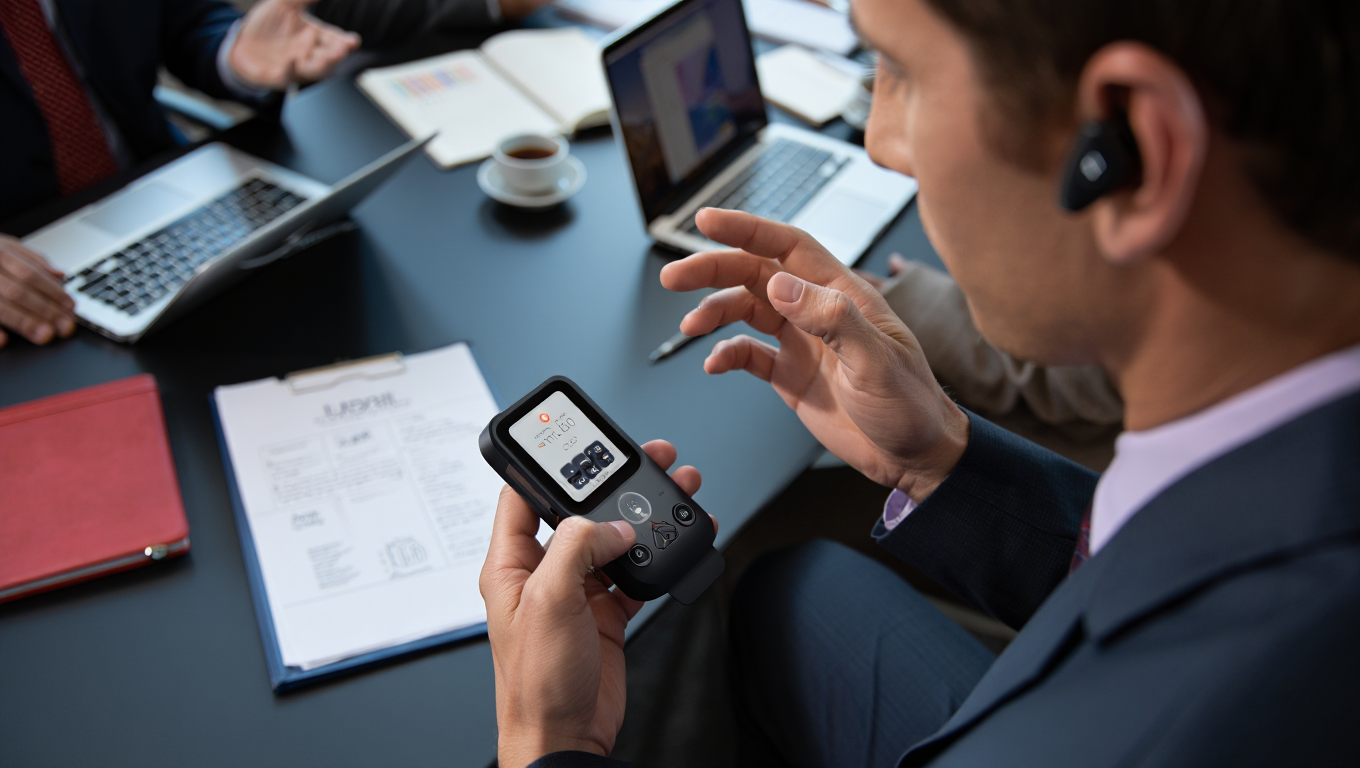
Timekettle’s Accuracy in Context: How Does It Perform in Real-World Scenarios?
In recent 2024 accuracy blind tests, Timekettle achieved 92% overall translation accuracy in context-heavy trials—outperforming Pocketalk and Travis Touch, which scored 89% and 86% respectively (source).
Medical translation scenarios (like emergency room instructions) yielded consistently accurate definitions and tone preservation, surpassing the nearest competitor by 3 to 5 percentage points. In legal and business contract discussions, Timekettle handled industry-specific jargon slightly better, although occasional errors still arose with rare dialects or fast group exchanges.
In user surveys, over 80% reported no major misunderstandings in day-to-day travel use, but complex slang and local idioms remain a weak spot—no device in this class is perfect here. Always have a fallback phrasebook or human assistant for delicate legal or health issues if you’re outside primary language regions.
Untapped Needs: What Frequent Travelers and Business Users Want Next
What remains on the user wish list heading toward 2025? Community forums and verified user surveys highlight:
- Expanded multi-speaker support—users want more than two active voices at once for group meetings and tours.
- Better handling of regional dialects and tough accents, especially in rural areas and local markets.
- Data privacy—frequent travelers are increasingly concerned about cloud-based translation storing sensitive business conversations.
- Simpler subscription and offline pack management—bundling, lifetime options, and transparent in-app billing.
- Fully touch-free experiences (e.g., auto-detecting languages without needing to tap any buttons).
For a glimpse into parallel AI hardware evolving to meet these pain points, revisit articles like AI Wearable Pin and see how next-gen language tech and wearables are converging.
Should You Buy the Timekettle Portable AI Translator in 2024?
Timekettle is among the best portable AI translator choices for frequent travelers and business professionals who value offline language coverage, group translation, and quick, reliable communication. If you regularly work across borders, attend multilingual conferences, or need accurate translation in real time (even in WiFi dead zones), Timekettle’s latest devices excel in both feature set and real-world usability.
Consider the pros: industry-leading offline support, robust hardware, and industry-first group translation features. Downsides: you’ll need to budget for language packs and potential app subscriptions, and no device is truly flawless—local slang or highly technical legal/medical terms may still trip up the translator in offline mode.
For maximum value, compare your real travel needs and check current Timekettle bundles—sometimes major online retailers offer packs with extra offline languages included. Always review the latest user feedback and competitor alternatives before making your final decision. Want to see how other AI-powered wearables or health trackers stack up? Check out our coverage on AI Wearable Pin and Smart Ring Health Tracker for the newest innovations.

Ready to travel smarter and communicate with confidence? Explore the latest Portable AI Translator options now, or dive deeper into Timekettle’s unique strengths to see if it’s the right fit for your global journey.
FAQ
What is the main advantage of using a portable AI translator like Timekettle over smartphone apps?
Portable AI translators offer dedicated noise-canceling microphones, longer battery life and more robust offline language support compared to most smartphone apps, delivering more reliable and accurate real-time translation—especially in noisy environments or when your phone has no service.
How many offline languages does Timekettle support in 2024?
Timekettle supports up to 13 offline languages as of 2024, leading the market over competitors such as Pocketalk and Travis Touch.
Are there hidden costs or subscriptions with Timekettle devices?
Yes, users may need to purchase additional offline language packs and/or an annual subscription for unlimited translation or premium features. Always verify which costs apply to your specific needs before purchase.
How accurate is Timekettle in medical or business conversations?
Blind tests in 2024 show Timekettle delivers 92% accuracy in context-heavy scenarios, outperforming most competitors, but users should still be cautious with highly technical or local dialects—backup human translation is recommended in critical cases.
Can portable AI translators handle group or multi-speaker conversations?
Timekettle devices introduced real-time group translation modes in 2024, allowing multiple participants to join a session—something most rivals do not yet fully support.