

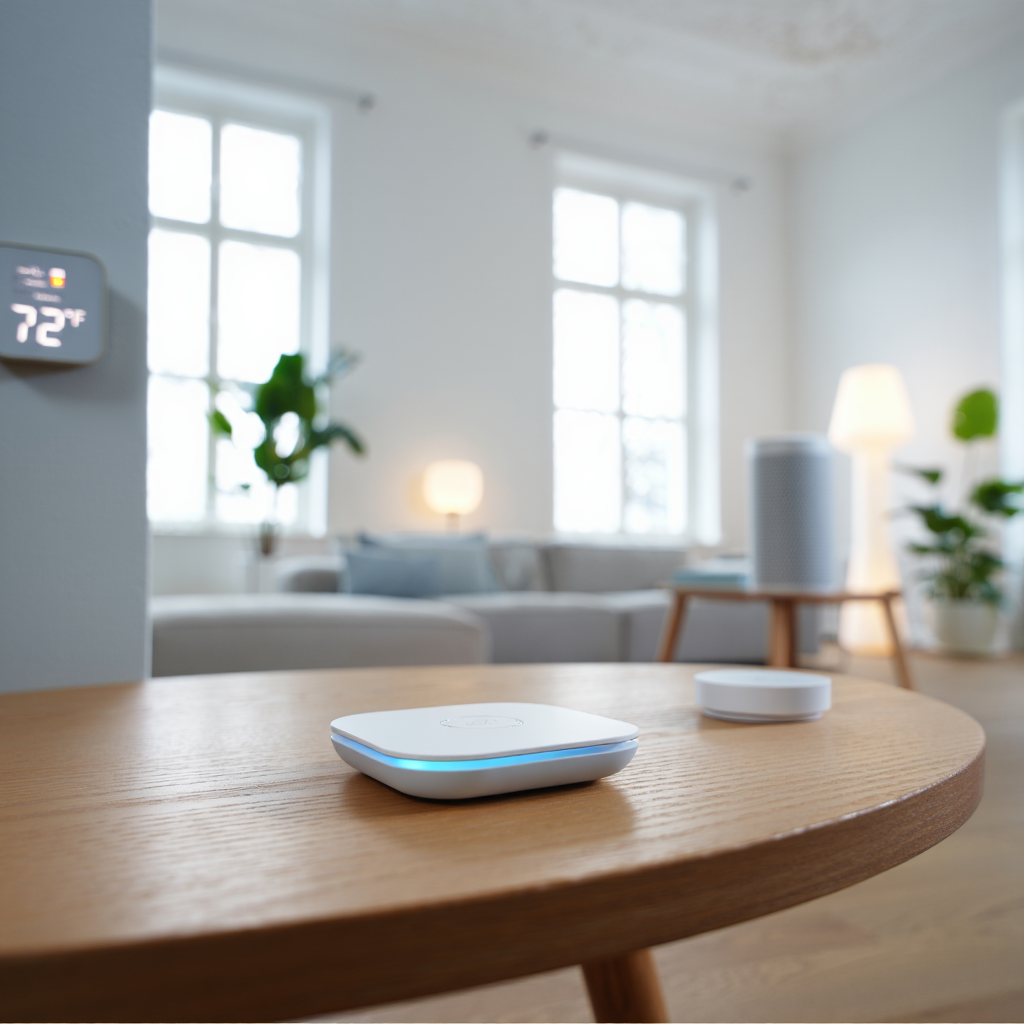
Google Nest Hub Max technology is evolving fast, and in 2024, centralizing control over your devices is about more than just convenience—it’s essential for a unified, secure, and user-friendly smart home experience. New touchscreen and voice assistant hubs like the Google Nest Hub Max have quickly become the backbone of connected homes worldwide. With global smart home hub penetration at 24% and advanced hubs growing 16% year-over-year (Statista, 2024), it’s clear that having a centralized, secure system for lights, security, climate, and media is now a must-have for tech-forward households.
In fact, “In 2024, over 65% of new smart home hub purchases feature both a touchscreen interface and integrated voice assistants” (Strategic Market Research, 2024), reflecting how buyer priorities have shifted to unified, interactive control. This guide digs into the why, how, and realistic challenges of modern smart home hubs, with a hands-on look at the Google Nest Hub Max and smart strategies for choosing the best setup for your home.
Key Takeaways
- Unified control is now a must: Over half of new smart home hubs in 2024 combine touchscreen and voice assistant features for seamless management.
- Google Nest Hub Max leads for usability, but has real-world trade-offs: Its hands-free controls and Face Match features are strong, but there are persistent compatibility and privacy challenges.
- True setup costs often exceed MSRP: Factor in extra device purchases, potential subscriptions, and ongoing privacy considerations to avoid surprises.
- Centralizing the Smart Home in 2024: The Core Concept
- Step-by-Step Guide: Setting Up a Modern Smart Home Hub
- Advanced Analysis & Common Pitfalls
- Conclusion
- FAQ
Centralizing the Smart Home in 2024: The Core Concept
Centralized smart home control lets you manage everything—from security cameras to lighting and temperature—using a single device. In 2024, touchscreen hubs with voice assistants are at the heart of this shift. They simplify routines, cut out app-juggling, and help keep your home secure and organized.
The Google Nest Hub Max is a prime example. It blends a responsive touchscreen, a powerful voice assistant, gesture control, and smart device management into one place. But the real draw is integration: you can set routines, control lights, monitor security feeds, and even make calls—all with one device.
For homeowners serious about a connected home, the convenience of a unified smart hub isn’t just about tech appeal—it’s about improving daily life, security, and peace of mind. But it’s not without its issues. Compatibility quirks, privacy considerations, and hidden costs mean research is vital before choosing your hub.

Step-by-Step Guide: Setting Up a Modern Smart Home Hub
- Assess Your Devices and Needs: List all your existing smart home products—lights, security cameras, switches, thermostats, plugs, and entertainment systems. Make note of brands and device protocols (Zigbee, Z-Wave, WiFi, Matter, etc.).
- Select Your Smart Home Hub: Decide if the Google Nest Hub Max is the right fit or if you’d be better served by competitors like Echo Show 10 or Apple HomePod/iPad combinations. Focus on what works in your ecosystem—not just what’s trending.
- Physical Setup: Plug in your hub, place it in a central location, and connect it to your home WiFi. For the Nest Hub Max, initial configuration is handled through the Google Home app.
- Device Pairing: Add each device through the hub’s app dashboard. Expect to encounter at least a handful of pairing or compatibility issues—be patient and reference official device lists and support forums.
- Routine & Automation Setup: Create automations for daily actions (e.g., morning lights on, security cameras armed at night) using both touch and voice options. Explore hand gesture controls and scene settings unique to the hub.
- Privacy & Security Settings: Visit privacy controls in the app. Disable unneeded microphones/cameras, enable 2FA, check local versus cloud processing options, and understand the data retention policies.
- Ongoing Maintenance: Update firmware regularly. Periodically review new device compatibility and revisit security settings—smart home threats and integrations change quickly.

Smart Hub Centralization is a moving target. As new wearables and AI devices emerge—like AI wearable pins, smart ring health trackers, or even Steam Deck OLEDs for smart entertainment—your hub will need updates and careful integration. Look for app and firmware alerts to identify new support as it rolls out.
Don’t forget to revisit privacy controls whenever you add new video-enabled products such as regular reviews can catch unexpected default settings that favor cloud uploads—regular reviews can catch unexpected default settings that favor cloud uploads.
Advanced Analysis & Common Pitfalls
Market Trends in 2024
The Smart Home Hub market is growing rapidly. Over 50 million households worldwide now use touchscreen and voice assistant hubs (Exploding Topics, 2024). Consumers favor hybrid control: while 68% activate scenes by voice, 55% value the consistency of a physical interface for complex routines and troubleshooting (Smart Home Survey 2024).
Typical User Challenges
- Device Compatibility Issues: Users often find not all their existing smart devices are compatible—especially with different brands or legacy products.
- Setup Frustrations: Around 40% report initial pairing difficulties, with confusion between hub and device apps slowing deployment (Survey, 2024).
- Touchscreen & Voice Lag: 1 in 4 users describes “touchscreen unresponsiveness” as a frequent problem, while routine voice command errors are still common for busy households.
- Privacy Worries: Over 48% list privacy as their top concern when buying, and firmware bugs can lead to real incidents, such as Google’s March 2023 Nest Hub Max camera bug (Statista, 2024).
- Hidden Costs: The actual cost to centralize often exceeds MSRP, driven by required device add-ons and subscriptions.
2024 Comparison Table: Google Nest Hub Max vs. Top Competitors
| Feature | Google Nest Hub Max | Amazon Echo Show 10 | Apple HomePod + iPad | Lenovo Smart Display 10 |
|---|---|---|---|---|
| Processor | Quad-core 1.7GHz | Octa-core 1.8GHz | Apple A10 Fusion | Octa-core 1.8GHz |
| Screen Resolution | 1280×800 | 1280×800 | Variable (up to 2732×2048) | 1920×1200 |
| Ecosystem Compatibility | 50,000+ devices (Nest, Google, many 3rd party) | 60,000+ devices (Alexa-enabled) | ~1,000 (HomeKit) | 30,000+ devices |
| Privacy/Security Features | Mic/camera hardware mute, indicators, app-level privacy controls, recent firmware transparency updates | Mic/camera mute, indicator LEDs, Amazon privacy dashboard | HomeKit Secure Video, strong default privacy, local processing focus | Mic/camera mute, Google services tie-in |
| Notable Strengths | Face Match, hand gestures, YouTube/Google integration | Rotating display, Zigbee built-in, Alexa skills | Native privacy, Apple ecosystem automation | Sharp display, stereo speakers, Google integration |
| Common Weaknesses | Limited HomeKit/Matter compatibility, 3rd-party automation gaps, multi-user routines inconsistent | Voice lag, privacy skepticism, bulkier | High initial cost, less device compatibility | Limited automation, some app lock-in |
The Real Cost Breakdown
- Hub MSRP: Google Nest Hub Max costs $229 as of 2024.
- Add-on Devices: Most users buy 3 to 5 more compatible products, spending around $250 to $1,000 for smart bulbs, sensors, and plugs.
- Subscriptions: Nest Aware adds $8+/month for advanced features and cloud video history.
- Total: A realistic setup often totals $500 to $1,500 in year one when including ecosystem expansion.
Be careful to distinguish between nice-to-have and must-have features. For instance, Face Match and gesture controls are unique to Google, but only useful if you actually use the device in shared spaces. On the other hand, privacy controls have tangible value—hardware camera mutes, visual indicators, and dedicated privacy dashboards are features you’ll lean on from day one.
Privacy and Security: Real Incidents & User Sentiment
Privacy remains the #1 concern among smart hub buyers in 2024 (Pew Research 2024). There were no major a Hub Max-specific security breaches, but the March 2023 camera firmware flaw (quickly patched) heightened awareness. Nearly half of buyers actively check for hardware switch and in-app privacy settings during setup. Local processing is preferred, but many hub functions still rely on cloud servers—be sure to audit permission settings for each new device, particularly when adding third-party products or expanding your hub to include outdoor cameras or video bells.
Many guides fail to cover:
- Full cost breakdowns: Many focus only on device MSRP, ignoring add-on costs and subscriptions.
- In-depth privacy settings: Competitor articles usually skim over the complexities of long-term data retention and service permissions—don’t skip these in your own research.
- Cross-brand troubleshooting: Integration between platforms (e.g., adding Matter devices to a Google or Amazon hub) can be unpredictable. Look for updated guides, and prepare to contact support when things don’t work as advertised.

Conclusion
Modern smart home hubs like the Google Nest Hub Max combine touchscreen, voice, and gesture controls for unified, hands-on command of your connected home. But before you decide, weigh the real costs, compatibility, privacy, and usability concerns. If you want the widest device coverage and unique controls, Google Nest Hub Max is tough to beat—but alternatives may fit better if you already own a lot of devices from Amazon or Apple ecosystems, or if privacy is top concern.
The Smart Home Hub you pick will shape your daily experience—test drive with a basic starter kit first, keep an eye on hidden expenses, and revisit your privacy settings regularly. Ready for your next upgrade? Review device lists, try demo routines, and stay informed with trusted sources to safeguard your smart home investment.
Want to future-proof your ecosystem? Check out our guides on Matter smart home upgrades, open ear headphones for smart assistants, or our connected fitness scale recommendations—and bookmark us for the latest tech reviews.
FAQ
Is the Google Nest Hub Max compatible with Apple HomeKit?
No. While the Nest Hub Max offers broad support for many device brands, it does not natively support Apple HomeKit devices. For HomeKit integration, you’ll need a third-party bridge or workaround, which may limit automation features and reliability.
What are the real ongoing costs of owning a smart home hub?
The upfront price covers only the hub itself. Additional costs can include extra smart devices, integration hardware, and monthly subscriptions (like Nest Aware at $8/month). Expect to spend $500–$1,500 in the first year if you’re building a robust setup.
How secure are smart home hubs in 2024?
Major brands like Google have improved security with hardware mutes, user privacy dashboards, and regular firmware updates. However, some processing still happens in the cloud and privacy incidents do occur. Audit settings and keep firmware up to date for best protection.
What’s the biggest smart home hub complaint in 2024?
Users most frequently report device pairing/compatibility issues (about 40%) and touchscreen lag (25%). These are biggest when mixing devices from different brands or using legacy products.
Are touchscreen smart home hubs better than voice-only hubs?
Touchscreen hubs provide easier troubleshooting and more detailed controls. However, they are not always as fast as voice for quick actions, and can suffer from interface lag. Many power users prefer a hybrid solution for flexibility.