

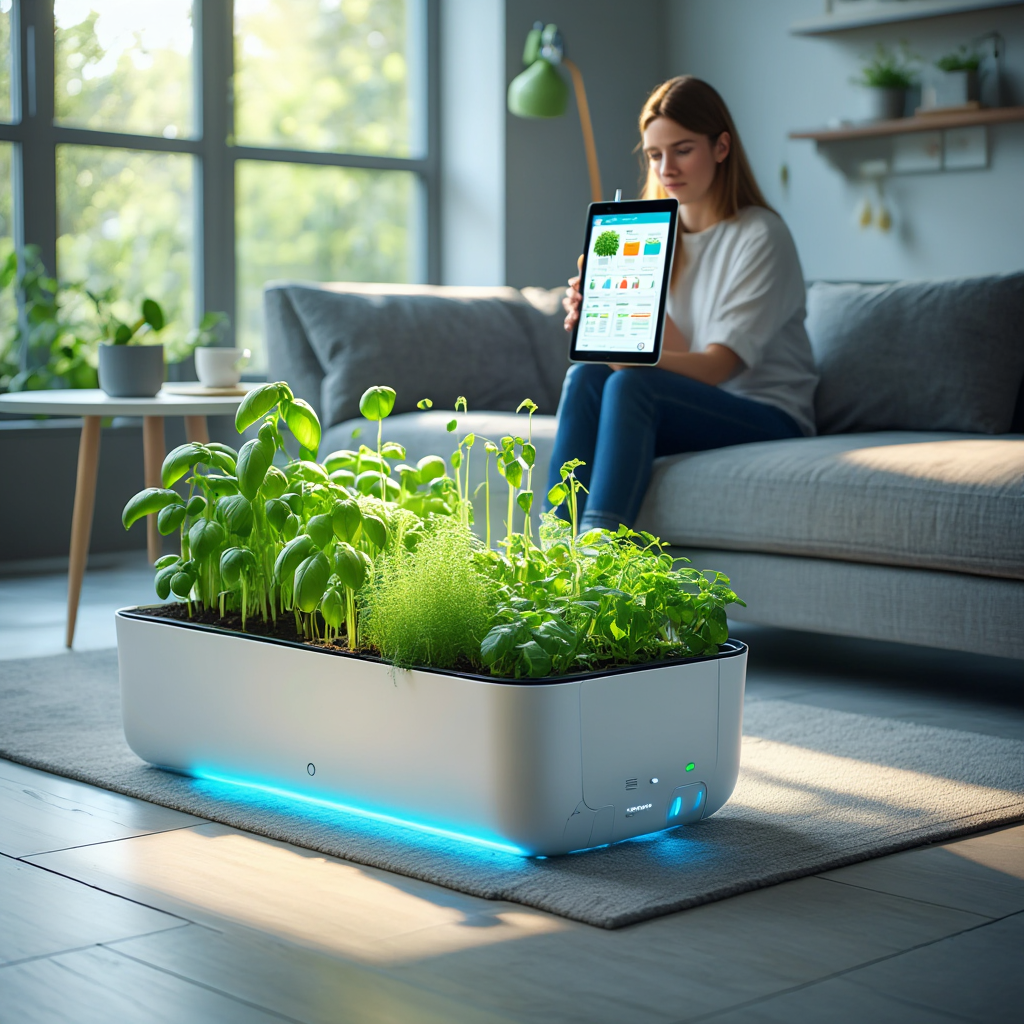
Smart Garden systems like Click and Grow Smart Garden leading the pack are changing how people grow herbs and vegetables indoors—without mess, without effort, and with real results that fit modern kitchens in 2024.
Key Takeaways
- Indoor smart gardens offer urban residents a low-maintenance way to grow fresh herbs and vegetables year-round—with the Click and Grow Smart Garden leading the pack in kitchen settings.
- Understanding technical features, real user experiences, and hidden costs is crucial before choosing a smart garden system.
- Comparisons with AeroGarden and Veritable reveal key feature differences, pricing variations, and unique advantages of each system in 2024.
- Smart Garden Market: 2024 Trends & Popularity
- How the Click and Grow Smart Garden System Works
- Real User Experiences: Pain Points & Praise
- Click and Grow vs. Other Top Indoor Smart Gardens
- Costs and Ongoing Expenses: What to Expect
- Proven Results: Home Kitchen Yields and User Testimonials
- What Competitors Aren’t Telling You: Unaddressed Smart Garden Questions
Smart Garden Market: 2024 Trends & Popularity
The smart garden market has rapidly expanded as more people crave fresh produce but lack outdoor space or time. According to Zion Market Research, the global smart indoor garden market is valued around $151 million in 2024—with experts forecasting a doubling to $302 million by 2034. Annual growth rates for indoor units are especially strong, with CAGR estimates of 6% or higher. More households now use automated planters and smart irrigation tech in kitchens, supporting the demand for effortless year-round greens.
This surge is fueled by city dwellers, busy professionals, and tech-first consumers looking to integrate health, convenience, and sustainability at home. In the same spirit as Matter Smart Home solutions, smart gardens are becoming a key smart home component—especially in kitchens where space, cleanliness, and design matter.

How the Click and Grow Smart Garden System Works
The Click and Grow Smart Garden system is built around simplicity and automation. You insert pre-seeded plant pods into a set of slots, fill the water tank, and plug in the unit. Intelligent sensors control watering cycles so your plants never dry out or drown, while built-in grow lights simulate sunlight for healthy growth—even in shady kitchens or in winter. The proprietary Smart Soil in each pod delivers balanced nutrients, maintains ideal pH, and manages oxygen at the roots, dramatically boosting germination and yield compared to generic indoor gardening kits.
Most models feature energy-efficient LED lights with automated on-off cycles (typically 16 hours on, 8 hours off). The self-watering tank, usually lasting up to 2–3 weeks per fill, eliminates guesswork. Maintenance is reduced to occasional tank refilling, wiping down the reservoir, and swapping old pods for new crops. Click and Grow’s larger systems, like the Smart Garden 9 and 25, include sensors to monitor moisture and light, offering optimal growing environments even for beginners.
Real User Experiences: Pain Points & Praise
User feedback on Click and Grow Smart Garden systems shows consistent themes—both praise and frustration. The biggest upside is convenience. Urban users appreciate reliable yields of herbs like basil and mint right on their kitchen counters, with almost no learning curve.
However, many Click and Grow reviews mention three recurring complaints:
- The need to refill the water tank every 2–3 weeks (sometimes more often with bigger or thirstier plants).
- limited seed pod variety and higher cost of proprietary pods compared to standard seeds.
- Grow lights can be bright—posing challenges for open-concept kitchen/living spaces if used 24/7.
Real testimonial: “Herbs like basil and mint thrived, but I wish there was a wider selection of pods. Refilling the water every week or so wasn’t hard, but not totally ‘set and forget’.”
Another user noted: “The automation means I always have fresh greens, and cleanup is a breeze compared to DIY hydroponics.” For a more in-depth experience, this honest review covers hands-on pros and cons.
In kitchen gardening, user success rates are high—especially with easily grown herbs and leafy greens. Issues mainly appear when trying more demanding crops, such as mini tomatoes or strawberries, which may require hand-pollination.
Looking for other health-tracking kitchen tech? Check out options like the Smart Body Scale.
Click and Grow vs. Other Top Indoor Smart Gardens
Comparing Click and Grow to AeroGarden, Veritable, and smaller brands helps clarify strengths and tradeoffs. Here’s how the main contenders stack up:
| Feature | Click and Grow | AeroGarden | Veritable |
|---|---|---|---|
| Watering System | Self-watering tank; no pumps | Pump-based hydroponics | Passive/capillary irrigation |
| Grow Lights | Automated LED (white); fixed spectrum | Adjustable LED (multiple spectrums) | Adjustable LED (full & white) |
| Wi-Fi / App Control | None (except Smart Garden 9 Pro) | Available on many models | Select models only |
| Pod/Seed Variety | ~70+ proprietary pods (herbs, leafy greens, some fruiting) | 50+ pods, DIY seed options | 30+ Lingots, organic available |
| Running Cost | Low electricity, moderate pod cost | Higher electricity, wide pod range | Low electricity, premium pod cost |
| Unique Features | Smart Soil, super quiet, slim design | App integration, grow bowl size | Organic/eco materials, refillable pods |
In short: Click and Grow stands out for silent operation, ease of use, and streamlined design—ideal for visible kitchen spaces. AeroGarden excels for those wanting more tech control and faster-growing, diverse crops (but it’s noisier and pricier to run). Veritable suits organic fans and those who appreciate French design. For deeper home tech integrations, see how Matter Smart Home systems are advancing too.

Costs and Ongoing Expenses: What to Expect
Price is always a deciding factor. The Click and Grow Smart Garden line ranges:
- Smart Garden 3 (for 3 plants): $99–$139
- Smart Garden 9: $169–$249
- Smart Garden 25 (vertical garden): $499–$699
Plant pod refills average $2.50–$4 per pod, with most users replacing each pod every 1–3 months (depending on the crop). Discounted bundles and subscription options are popular for heavy users and can shave off 10–20% of pod refill costs. Compared to AeroGarden (which starts around $120 for small models but can exceed $400 for top models), Click and Grow stays competitive—especially when factoring in lower running costs (no water pump, minimal energy consumption).
For detailed cost breakdowns and cheaper alternatives, see the latest pricing in this indoor gardening systems round-up. If you want more ideas for technologically advanced tools, explore topics like Portable Power Station 1000W or AI Wearable Pin as well.
Proven Results: Home Kitchen Yields and User Testimonials
Click and Grow systems produce real, tangible kitchen results without guesswork. Based on verified user testimonials:
- Users harvest up to 50–80 grams of basil per cycle (approx. every 30–35 days).
- First edible crops usually appear in 2–3 weeks, with continuous harvests for up to 2 months per pod.
- Popular kitchen herbs—basil, mint, parsley, and thyme—consistently thrive indoors. Leafy greens (e.g., lettuce, arugula) yield decent crops, though fruiting plants like cherry tomatoes may require hand-pollination.
- Users praise the minimal mess and ability to grow without bugs or soil spills—“It’s like having a self-cleaning herb box on my counter.”
Yields vary by pod type, light access, and kitchen temperature. With minimal input and no soil bags or chemicals, the Click and Grow Smart Garden lets space-constrained cooks reliably grow greens for salads, garnish, and tea. For more high-tech kitchen solutions, investigate Smart Meat Thermometers as well.
What Competitors Aren’t Telling You: Unaddressed Smart Garden Questions
1. Advanced Troubleshooting for Urban Kitchens
Most brands overlook what to do if roots clog vents, LED lights flicker, or pods fail to sprout. The solution: gently remove failed pods, clean reservoirs monthly, and check for mineral buildup. Roots can be pruned with scissors when changing crops. For persistent LED flicker, change wall outlets (or try a short power cycle).
2. Are Pods Truly Organic?
Competitors often tout “organic” but not all Click and Grow pods carry formal organic certification. If pesticide-free and organic produce is your goal, review product labels or consider brands like Veritable, which offers certified organic Lingots for their systems.
3. Honest Long-term Cost Breakdown
Initial purchase is only half the cost. Ongoing expenses include pods, occasional cleaning supplies (vinegar for descaling), and replacement LED bulbs after ~3 years. For high-usage kitchens, plan for roughly $50–$100/year in consumables for a small system—less if you reuse soil or buy in bulk.

Conclusion
The Click and Grow Smart Garden is a reliable solution for urban dwellers seeking year-round indoor herbs with almost zero hassle. Its strengths are in automation, real results, and kitchen-friendly design—but you’ll want to weigh pod variety and current/future running costs. Whether you’re a first-time grower or a smart home veteran, a Smart Garden brings fresh flavor and health benefits into your daily routine—effortlessly.
Ready to experience hands-off gardening? Explore Click and Grow models and decide which unit fits your kitchen needs today.
Frequently Asked Questions
How often do I need to refill the Click and Grow water tank?
Most users refill the water every 2–3 weeks for small gardens and every 1–2 weeks for larger units or thirsty crops.
Can I use my own seeds in the Click and Grow Smart Garden?
Yes, but you need to purchase “Grow Anything” blank pods or carefully refill used pods with your soil and seeds.
Are the grow lights safe for use in kitchens?
Yes—LED grow lights generate minimal heat and have automatic cycles, but they can be brighter than typical kitchen lights. Consider unit placement to minimize glare in open spaces.
Is the Smart Garden noisy or disruptive?
Click and Grow systems are known for silent operation since they use passive watering. AeroGarden and other pump-based brands may produce hum or trickling water sounds.
What ongoing maintenance is required?
Refill the water, occasionally wipe out the tank, remove any old roots, and replace pods as needed for continuous harvests.