

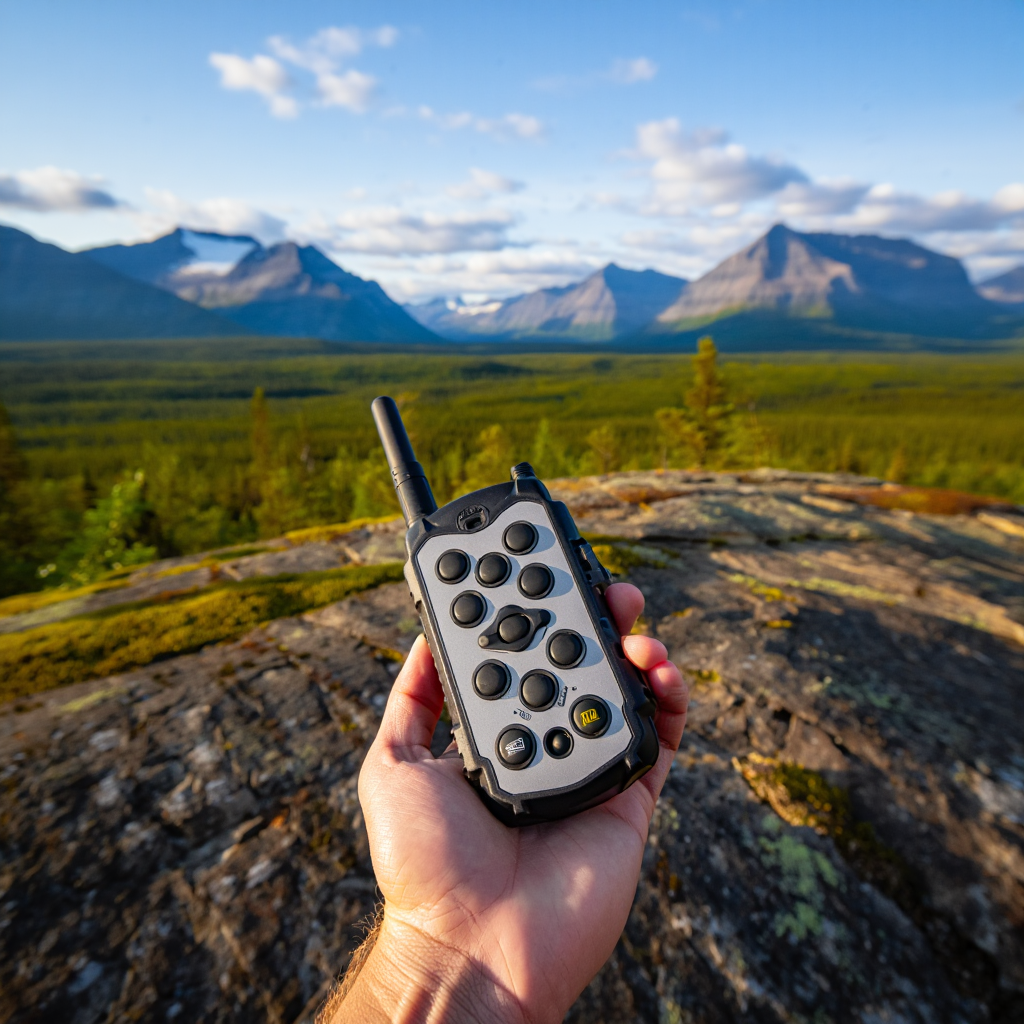
Satellite communicator technology is rapidly becoming the essential lifeline for hikers and campers who venture far beyond cell coverage, whether to chase solitude or summit that rarely visited peak.
Key Takeaways
- More than one-third of North American hikers and campers carried a satellite communicator in 2024—making it standard safety gear.
- Garmin inReach Messenger offers reliable SOS, two-way messaging, and proven coverage when you’re truly off the grid, but subscription costs and some app quirks matter.
- Knowing both the real costs and the limitations of your device is vital—especially in emergency situations or heavy tree cover.
- Why Satellite Communicators are a Must-Have for Outdoor Adventures in 2024
- Meet the Garmin inReach Messenger: Device Overview and Core Features
- Real Experiences: Common Emergency Scenarios and Pain Points for Satellite Communicator Users
- The Costs of Safety: Garmin inReach Messenger Pricing and Ongoing Expenses
- Reliability & SOS Response Times: How Does InReach Perform in Real Emergencies?
- What Users Love…and Loathe: Honest Reviews from the Field
- Overlooked Essentials: What Top Articles Miss About Satellite Communicators
- Conclusion: Choosing the Right Satellite Communicator for Your Next Adventure
- Frequently Asked Questions
Why Satellite Communicators are a Must-Have for Outdoor Adventures in 2024
In 2024, carrying a satellite communicator is no longer just for high-altitude climbers—it’s now mainstream among backcountry explorers across North America. According to the 2024 Outdoor Industry Association, 37% of US and Canadian hikers and campers now carry a satellite communicator every time they leave cell coverage. That’s nearly double the adoption rate from just three years ago, and the number keeps climbing each year.
This surge is driven by increased awareness, more unpredictable weather, and the desire for both safety and peace of mind. Recent Garmin inReach SOS reports indicate that most backcountry emergencies are resolved faster—and with less risk—when the person in trouble has a reliable satellite communicator.
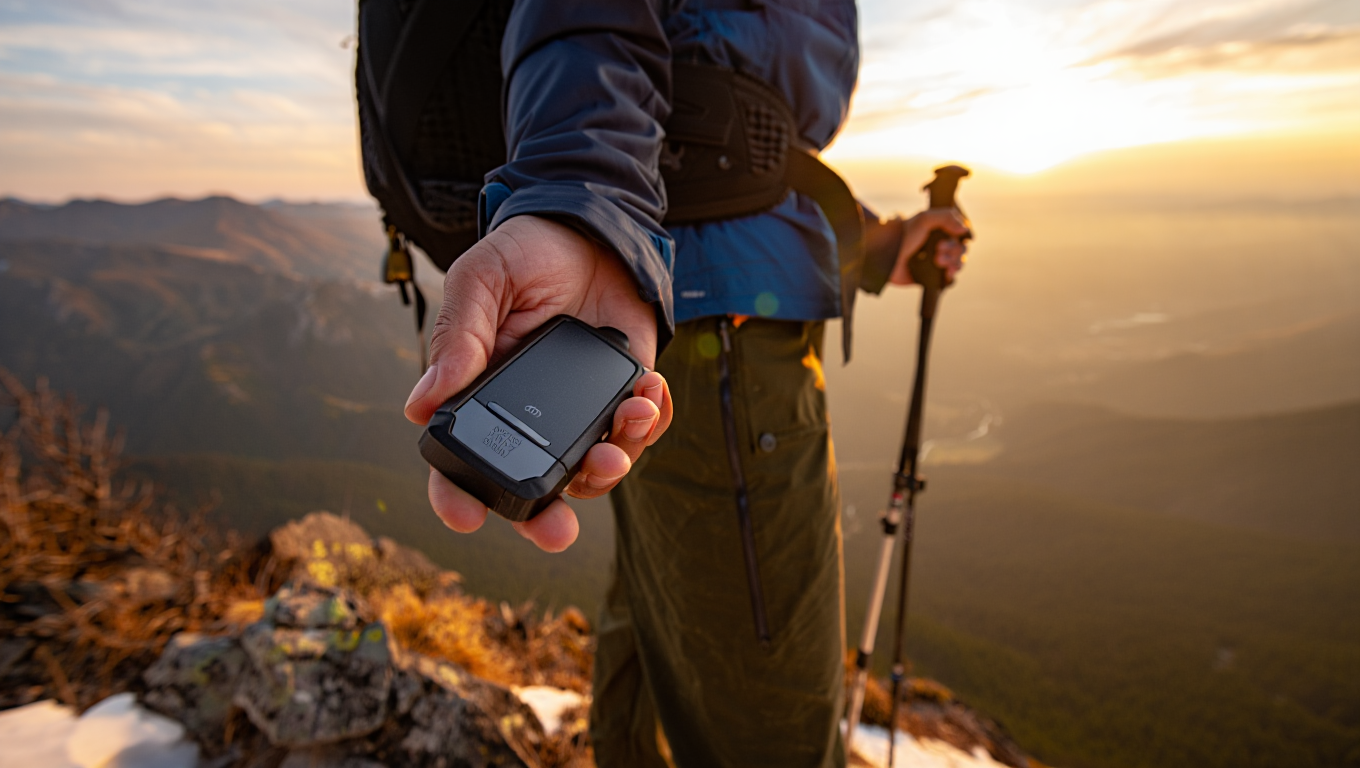
The rising popularity means satellite communicators are now as essential as a map, water filter, or good boots. If you leave cell coverage, the expectation among rescue teams is that you’re carrying one.
Meet the Garmin inReach Messenger: Device Overview and Core Features
The Garmin inReach Messenger stands out as the go-to device for hikers and campers who want dependable two-way messaging and SOS coverage when there’s no cell service. It’s lightweight, easy to use, and prioritizes safety and reliability, but how does it really stack up in 2024?
- Battery Life: Up to 28 days (10-min tracking interval; no message traffic), 14 days with frequent use and messaging.
- Weight: Just 113 g (4 oz).
- Waterproof Rating: IPX7 (withstands 1 meter of water for 30 minutes).
- Messaging: True two-way SMS and email messaging, plus group messaging through the Garmin Messenger app.
- Coverage: Global Iridium satellite network.
Compared to competitors like the ZOLEO and Spot Gen4, the inReach Messenger is often chosen for its proven SOS reliability, the flexibility to use either the built-in screen or pair with your phone, and seamless satellite coverage from the US Rockies to the wilds of Labrador. But there are a few standout differences to consider:
| Device | Two-way Messaging | Battery Life | SOS Function | Monthly Plan |
|---|---|---|---|---|
| Garmin inReach Messenger | Yes | Up to 28 days | Yes (24/7) | From $14.95 |
| ZOLEO | Yes | Up to 200+ hours | Yes | From $20 |
| Spot Gen4 | No (outbound only) | Up to 10-17 days | Yes | From $11.95 |
If you value two-way messaging, predictable response times, and trusted coverage, the Garmin inReach Messenger leads the pack—especially for US and Canadian backcountry. For a broader look at adjacent wearable technology, consider reading about the latest AR smart glasses or portable projectors for camping as well.
Real Experiences: Common Emergency Scenarios and Pain Points for Satellite Communicator Users
Garmin’s 2024 inReach SOS Year in Review and other data show that satellite communicators are most often used in hiking, backpacking, and camping emergencies. The top scenarios include:
- Lost or disoriented (nearly 38% of SOS calls)
- Injury or medical emergency (fractures, sprains, sudden illness)
- Stranded by weather or impassable trail
- Vehicle breakdowns (often well outside reception)
2024 user forums and incident reports reveal two persistent pain points:
- Connectivity delays: Messaging can be slow under dense forest, deep canyons, or stormy weather. Sometimes it takes several minutes to get an SOS acknowledgement.
- Battery anxiety: Frequent messaging or cold weather can sap battery life faster than expected, leading to stress about running out of power during emergencies.
Users also report issues with Bluetooth pairing between the device and their smartphone—sometimes requiring resets in the field. For tips on maximizing battery life in extreme conditions, check out our guide to high-efficiency portable chargers.
The Costs of Safety: Garmin inReach Messenger Pricing and Ongoing Expenses
How much does real backcountry coverage cost? In 2024, the Garmin inReach Messenger has a typical purchase price of $299.99 USD. But to use it, you’ll need an active satellite subscription plan:
- Monthly Plans: Start at $14.95 for basic safety (includes 10 messages), up to $64.95 for unlimited use. Seasonal/flexible plans available.
- Activation Fee: One-time $34.95 charge.
- Total Cost of Ownership (TCO): For the average hiker on a 6-month plan, TCO is about $389.64 in the first year (device + 6 months at $14.95 + activation). For heavy users or those who need international coverage, this can be closer to $700 per year.
- Hidden Costs: Message overages, battery replacements, and potential international SOS surcharges. Always read the fine print about service areas—unlike some competitors, inReach’s SOS coverage is global, but some types of messaging and support can be limited outside North America.
Many users don’t budget for ongoing fees and are surprised by the cost of maintaining service year-round. For broader budgeting on high-tech outdoor gear, explore our breakdown on the best E-Ink tablets for backcountry note-taking.
Reliability & SOS Response Times: How Does InReach Perform in Real Emergencies?
The biggest reason adventurers invest in a Garmin inReach Messenger is for reliable SOS signaling and fast response. Third-party tests by PCMag and 2024 user incident logs confirm:
- Average SOS acknowledgement from Garmin Response: within 75 seconds
- Most rescue dispatches are initiated in less than 4 minutes after initial SOS
- Delivery time for messages (in ideal conditions): 30–90 seconds per outbound/inbound message
Rescue dispatch centers consistently report that two-way messaging—unique to inReach and ZOLEO—makes rescues safer, since teams get real-time status updates from those in need.
However, reliability can drop in heavy tree cover and steep canyons. Messages (including SOS) may take several minutes to send or receive in blocked-sky environments, so users must be patient. Avoid “dead zones” like deep granite gorges when possible, and position the device with a clear sky view for best results. For a deeper dive into hands-free wearable tech for emergencies, see our review of open ear headphones that allow you to hear alerts in real-time without blocking ambient sounds.
What Users Love…and Loathe: Honest Reviews from the Field
User feedback on Amazon and REI gives a balanced look at the inReach Messenger’s strengths and limitations:
- Loves: Reliable SOS, peace of mind, lightweight, intuitive app interface, excellent battery longevity.
- Loathes: Occasional difficulty with Bluetooth pairing, laggy message send times (especially when paired with some Android or older iOS phones), clunky app updates, and complaints about Garmin’s customer service responsiveness.
Common review themes for the Messenger and its closest competitors (ZOLEO, Spot Gen4):
- Garmin inReach Messenger: Best for versatile two-way messaging and trusted coverage, but monthly costs add up.
- ZOLEO: Smooth iOS/Android app pairing, but device is bulkier and also requires subscription.
- Spot Gen4: Lower up-front costs but offers only outgoing messages and less coverage in mountainous terrain.
User forums continue to highlight frustration with the inReach Messenger’s occasional Bluetooth dropout and the need for manual software/app updates before trips. For tech-lovers seeking the next frontier in smart outdoor gear, our AI wearable pin roundup dives into the future of hands-free, always-connected comms.
Overlooked Essentials: What Top Articles Miss About Satellite Communicators
Most satellite communicator reviews skip a few important real-world issues:
- Porting Contacts: Syncing contacts is inconsistent, especially if you use multiple smartphones or switch between iOS and Android. Some users end up retyping numbers in the field.
- Battery Drain: Extreme cold or frequent messaging reduces battery life much faster than lab tests suggest—sometimes by 40% or more on week-long winter treks.
- International Use & SOS: While Garmin promises worldwide SOS, some users found support and message routing less predictable outside North America. Always double-check your trip country in Garmin’s coverage documentation.
- Firmware Updates: Updates must be done at home with WiFi or a laptop—not via satellite. Leaving this until “the night before” a trip leads to device/app mismatches in the field.
If you plan to use your satellite communicator for group trips, coordinate device check-ins and have backup batteries on hand. For a look at multi-gadget setups, consider our mini gaming PC guide for basecamps.
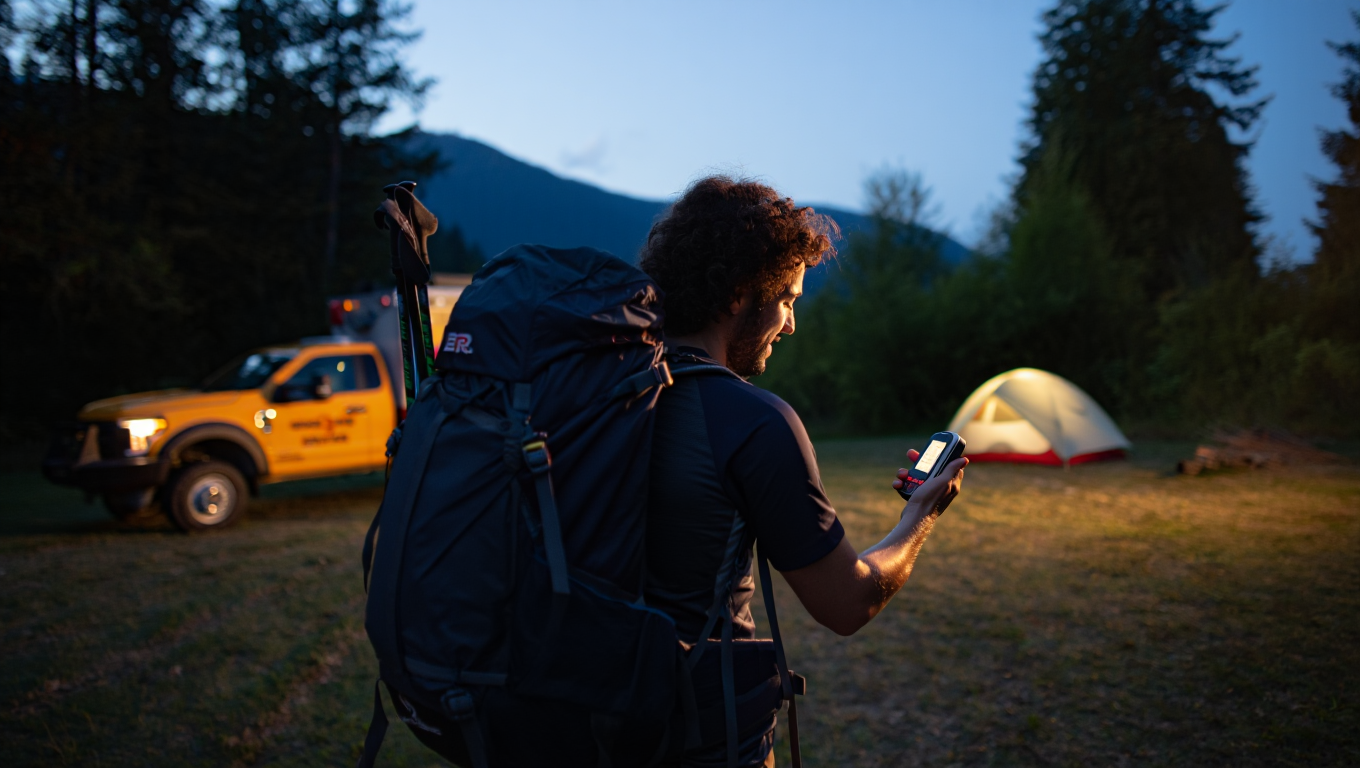
Conclusion: Choosing the Right Satellite Communicator for Your Next Adventure
The right satellite communicator is not only about saving your life—it’s about staying in touch, sharing location, and heading out with true confidence. For most hikers and campers in North America, the Garmin inReach Messenger remains the best satellite communicator for reliable two-way messaging, global coverage, and fast SOS response. It’s ideal for anyone spending more than a few days outside cell range, solo travelers, and those who regularly hike in remote or hazardous terrain.
You may want to look elsewhere if you only adventure seasonally or need the absolute lowest operating costs—Spot Gen4 might suffice for single-direction check-ins and has cheaper recurring fees, while ZOLEO is competitive if smartphone integration is your priority.
Before your next backcountry trip, weigh real subscription costs, learn your device inside-out, and perform all updates and syncs at home. If safety, reliability, and fast help during emergencies are non-negotiable, the Garmin inReach Messenger is worth every penny. Don’t wait until you need a rescue to realize the value of carrying one.
Ready to explore safer? Choose wisely, prepare thoroughly, and respect the wilds you love.
Frequently Asked Questions
Do satellite communicators work everywhere in the US and Canada?
Most models, like the Garmin inReach Messenger, have coverage anywhere with a clear view of the sky. Performance can drop in deep canyons, dense forest, or during heavy storms.
Is a subscription required for the Garmin inReach Messenger?
Yes, you need an active data subscription. Plans start at $14.95/month, plus a one-time activation fee.
How long does the battery really last?
Battery life is up to 28 days in optimal conditions, but heavy messaging, extreme cold, or frequent tracking can reduce it to less than a week.
Can I use my satellite communicator for international hiking trips?
In theory, yes—Garmin offers global SOS coverage—but message delivery, fees, and response times can vary by country. Check the latest coverage map before you go.
What’s the main benefit of true two-way messaging?
Two-way messaging lets you communicate updates to rescuers, friends, or family. This is critical for getting the help you need or letting loved ones know you’re safe.
Step-by-Step Guide to Choosing and Using a Satellite Communicator
Getting the most from your satellite communicator takes a little prep and ongoing practice. Here’s a practical step-by-step workflow:
- Assess Your Needs. Decide if you need only basic SOS or also want two-way messaging and location sharing. Solo hikers and those in rough terrain usually benefit from the latter.
- Compare Devices. Evaluate factors: weight, battery life, subscription tiers, and real coverage versus just marketing claims. Don’t forget to check user reports on reliability.
- Buy & Set Up. Purchase your chosen device (e.g., Garmin inReach Messenger). At home, register, activate a plan, and update firmware.
- Test Functionality. Pair with your phone, sync critical contacts, and send test messages. Practice sending a test SOS (without actually initiating an emergency).
- Plan for Charging & Updates. Know your battery baseline, carry extra power if needed, and ensure updates are done before departure.
- In the Field. Place the device with an unobstructed sky view. Communicate conservatively to preserve battery. Alert someone at home to expect pings or messages on your schedule.
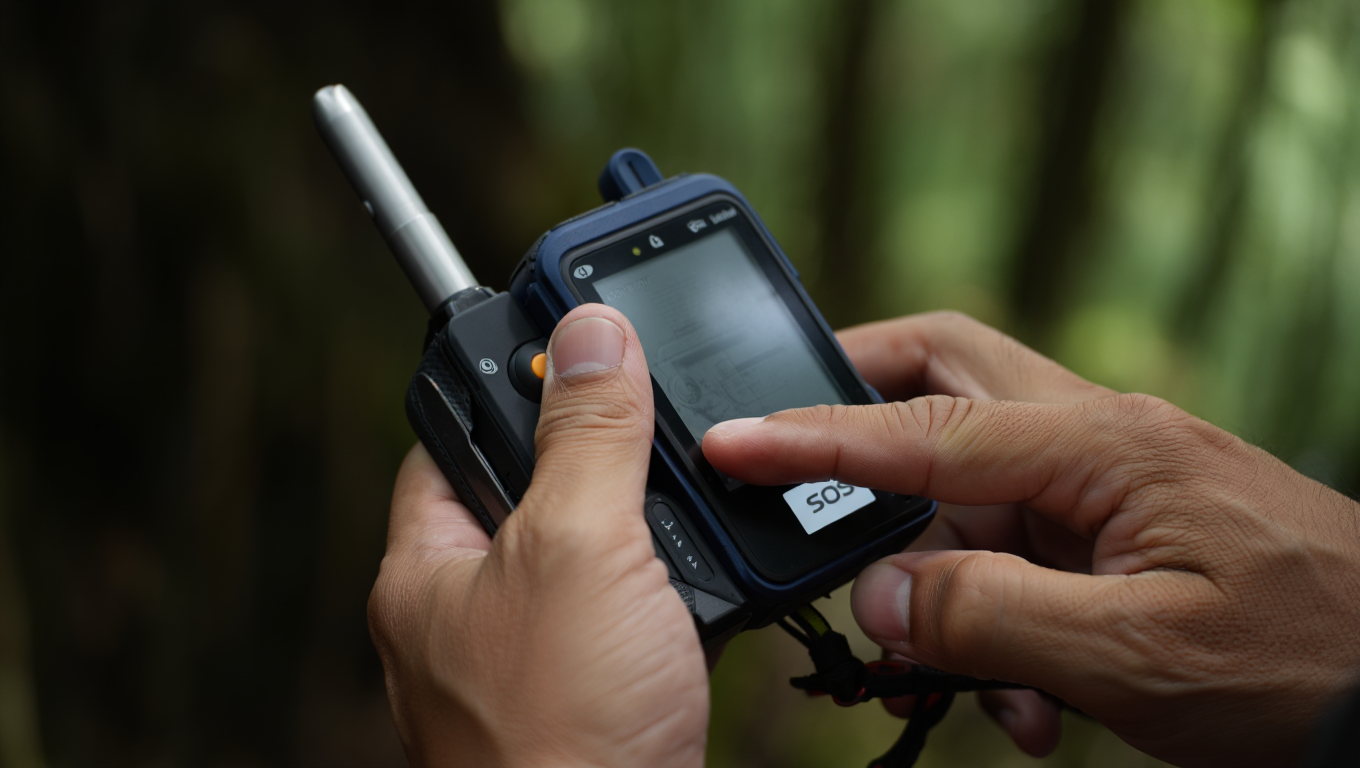
For those managing multiple digital tools in the backcountry, check out our deep dive on the best 4K portable monitors for fieldwork.
—