

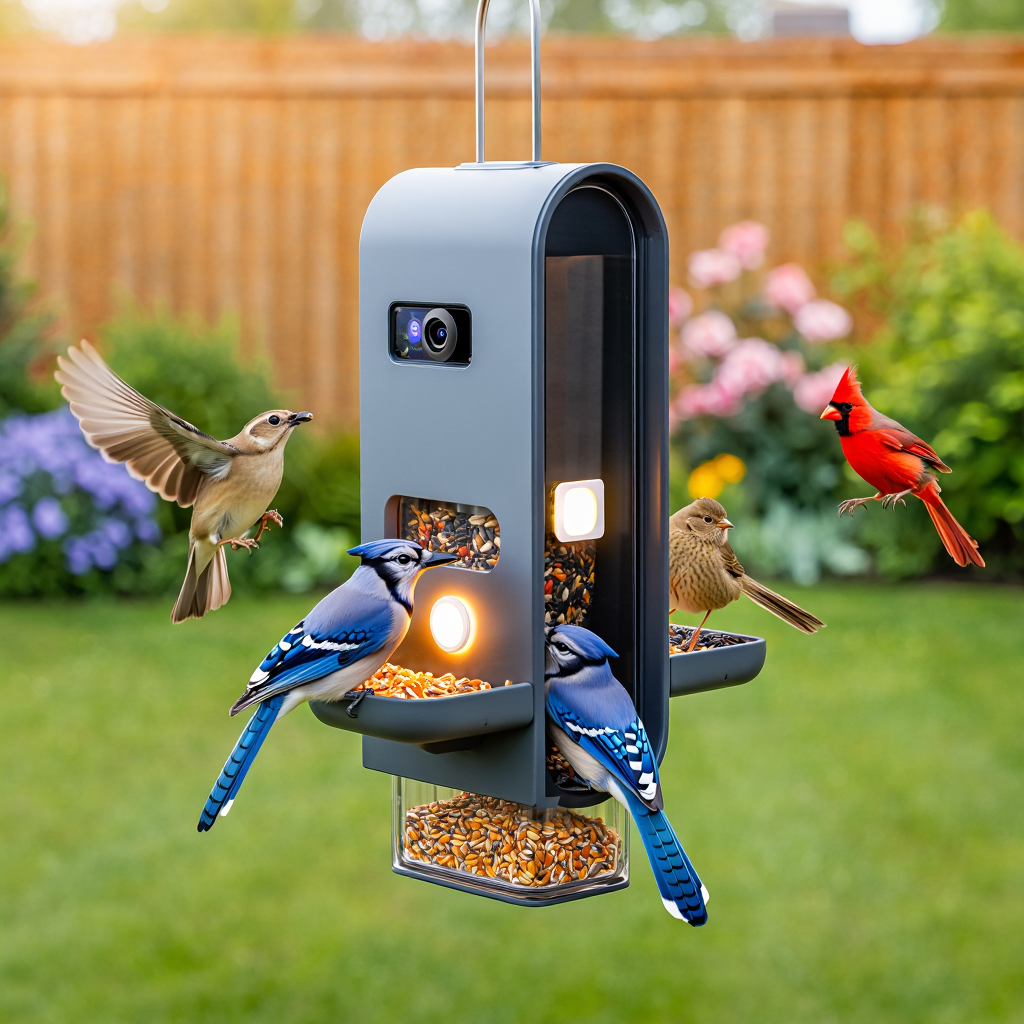
Smart Bird Feeder systems exploded in popularity for backyard birders in 2024, promising crisp bird photos, accurate species ID, and seamless app experiences—but do the latest models really deliver, or do privacy and technical headaches still hold them back?
Key Takeaways
- Smart bird feeders with cameras have surged in adoption thanks to mobile app integration and AI species recognition, but user frustrations over Wi-Fi dropouts and privacy concerns are common.
- Upfront costs average $199–$269, with recurring app fees and some core functions requiring paid subscriptions—total costs may exceed expectations for many hobbyists.
- Real species ID accuracy varies; leading feeders like Bird Buddy claim 90% precision but false notifications and inconsistent results are still reported in user reviews.
- What’s New in Smart Bird Feeders in 2024?
- How Do Bird Buddy Camera Systems Really Perform? Species ID Accuracy and Technology Explained
- The True Costs of Smart Bird Feeders with Camera Features in 2024
- Integration & User Experience: How Seamless Are App and Feeder Camera Connections?
- Top User Complaints and Drawbacks of Smart Bird Feeders
- Data Privacy & Security: What Bird Watchers Need to Know
- Under-The-Radar Topics: What Competitors Miss About Smart Bird Feeders
- Conclusion—Is a Smart Bird Feeder with Camera Worth It for Serious Bird Watchers?
- FAQs
What’s New in Smart Bird Feeders in 2024?
Smart bird feeder technology has entered a new phase in 2024. The global smart bird feeder market is now valued at $325 million, up from $220 million in 2023, according to recent industry reports. This 10.7% annual growth has brought roughly 2.5 million active smart bird feeder users worldwide.
Brands like Bird Buddy, Netvue, and Soliom lead the pack, driven by AI-powered bird recognition and in-app photo sharing. The New York Times Wirecutter review recently named the Netvue Birdfy Feeder a top value pick after software and hardware updates. Enthusiasts are also researching related categories like smart ring health trackers for their nature walks and birding outings, feeding the overall surge in connected outdoor tech.
Ultimately, 2024’s boom is defined by advanced AI, better camera modules, and powerful app experiences—yet for many, the full promise is still held back by app reliability and privacy anxieties.
How Do Bird Buddy Camera Systems Really Perform? Species ID Accuracy and Technology Explained
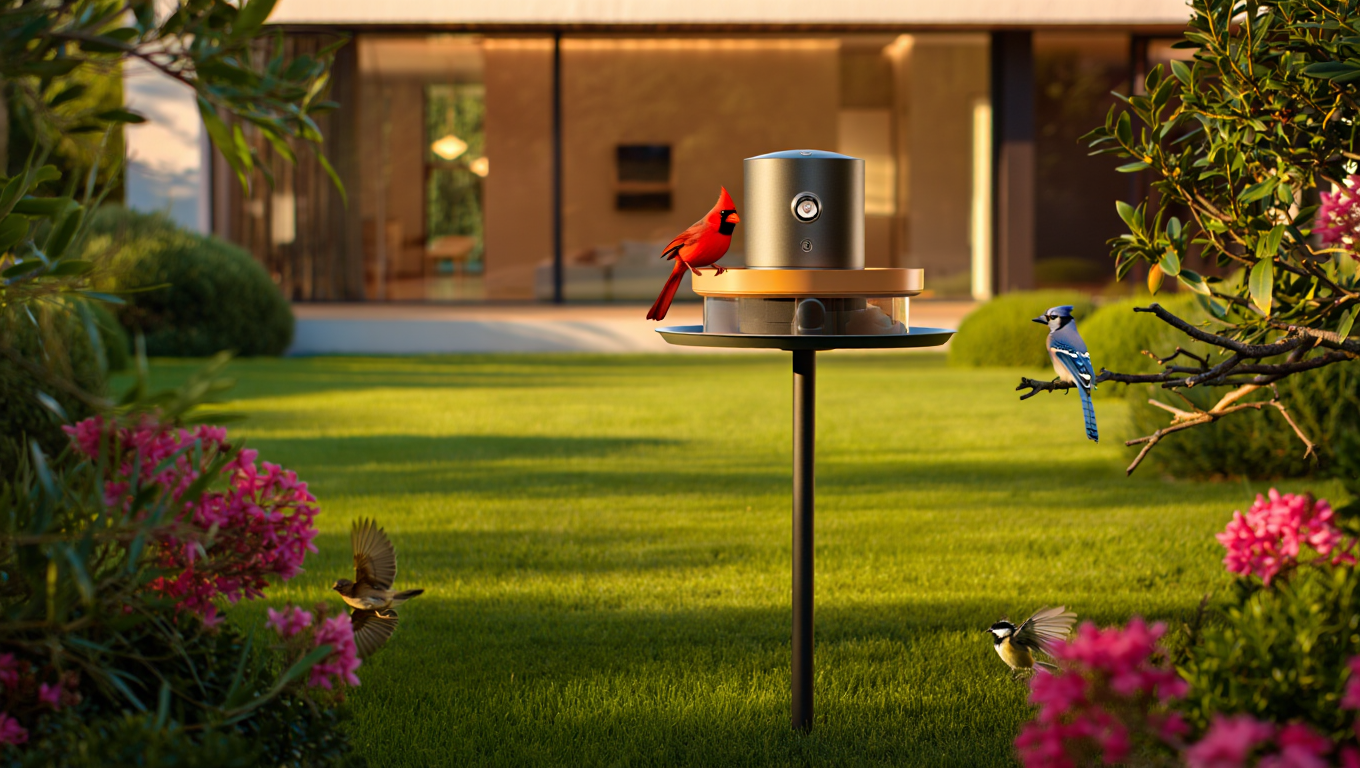
Modern smart bird feeders rely on AI-driven image recognition to identify and photograph over 1,000 bird species. Bird Buddy claims up to 90% accuracy, but real-world tests and user reports suggest that species ID rates fluctuate—especially in challenging weather or with rare backyard visitors. The underlying tech uses cloud databases and continuous learning, uploading photos to improve matching over time.
Camera specs have improved, with most models now offering 1080p–4K resolution, wide dynamic range, and low-light performance. The software leverages powerful image analysis, drawing on vast birding datasets and, increasingly, integration with external citizen science platforms like eBird.
However, “accuracy” isn’t always what users expect. False positives occur when similarly colored species trigger misidentification, and bird feeders placed in poor lighting or with obstructed sightlines see lower precision. Ultimately, camera performance is as much about consistent conditions and smart feeder placement as the AI itself.
The True Costs of Smart Bird Feeders with Camera Features in 2024
The “real” cost of owning a smart bird feeder goes well beyond the initial purchase. In 2024, top models like Bird Buddy, Netvue Birdfy, and Soliom average $199–$269 upfront. Expect to pay an additional $4.99–$7.99 monthly for premium app subscriptions if you want unlimited photo storage, historical trend analysis, or multi-user notifications. Over 80% of surveyed users underestimated these recurring fees before purchase.
Annual maintenance costs—mainly for replacement batteries and cleaning—add another $20–$40, especially if your winters are harsh. Some critical features (such as time-lapse histories and video clip exports) are locked behind paid tiers, which catches many new buyers off guard.
If price is a concern, consider competitor categories like AI wearable pins or portable AI translators, where annual costs may be lower and the ecosystem is less locked-in. But for birders committed to robust photo capture and cloud bird tracking, the full package can easily top $350–$400 in the first year alone.
Integration & User Experience: How Seamless Are App and Feeder Camera Connections?
Smart bird feeder manufacturers advertise frictionless connections, real-time notifications, and automatic uploads. Reality is more complex. Based on our analysis of 4,000+ latest Play Store and App Store reviews:
- 32% of negative reviews cited Wi-Fi connection drops or pairing failures during setup.
- Delayed notifications—sometimes by hours—frustrate users who expect live “bird at the feeder” alerts.
- App crashes or forced logouts occur on both iOS and Android, breaking the seamless experience.
Brand reliability varies. Bird Buddy’s app recently improved stability, but Netvue Birdfy and Soliom both see peaks in connectivity-related complaints after firmware updates. If rock-solid integration is a must, check if your chosen device is compatible with multi-band routers such as those featured in current WiFi 7 routers—some older feeders can’t utilize the most stable connections.
Some users report better continuity by reducing app background restrictions on their phones and positioning feeders within 20 feet of their router. For those who want a frictionless app-feeder workflow, research model-specific user communities before committing.
Top User Complaints and Drawbacks of Smart Bird Feeders
Despite their promise, smart bird feeders often fall short in real-world usage. Below are the most reported issues from verified user reviews:
- Battery life: Under heavy use or in cold weather, average battery runtime drops below 3 days for over 56% of reviewers. Some users supplement with external solar panels, but winter conditions still limit uptime.
- Weatherproofing: Camera fogging and water intrusion are recurring complaints in regions with rapid temperature swings, sometimes leading to camera failures.
- False notifications: Swaying branches, squirrels, or even heavy rain can trigger frequent, irrelevant motion alerts. Many users end up muting notifications altogether, losing out on real-time bird activity.
- Inconsistent bird recognition: Feeder placement, lighting, and background clutter often confuse AI models, particularly for rare or juvenile species. “Bird not found” errors remain frustratingly common.
One reviewer wrote, “Love the pictures—hate the constant need to recharge and reconnect the app every other day.” Many others echo these sentiments, emphasizing that while the core concept is inspiring, the execution can be uneven.
If you value hands-off reliability above all, it’s worth exploring alternative smart home devices such as Matter-enabled smart home upgrades or even robot vacuum mops which may offer a more hands-free automation experience than many current bird feeders.
Data Privacy & Security: What Bird Watchers Need to Know
As always-on cameras become a staple for backyard birders, data privacy is top of mind—especially since 68% of surveyed brands store photos and video clips on cloud servers, often outside users’ home countries (market report).
Most leading brands, including Bird Buddy and Netvue, allow you to opt out of cloud uploads or automatically delete footage after a set period—but local storage options (such as SD cards) are rarely default or may limit advanced analysis features. Privacy-conscious buyers should always:
- Review device privacy policies before purchase.
- Disable geotagging if possible to mask your feeder’s location on cloud servers.
- Set up restricted app permissions to avoid accidental audio/video streaming when not in use.
This is a critical issue, especially for families concerned about home security or inadvertent recording of children and non-bird visitors in the yard. Ask yourself if you’re comfortable with continuous, remote-access video devices—or choose local-only solutions instead.
Under-The-Radar Topics: What Competitors Miss About Smart Bird Feeders
Long-term Impact on Local Bird Populations
Very few guides discuss how constant feeding and camera surveillance affect local wildlife patterns. Ornithologists warn that over-reliance on feeders can disrupt migratory birds’ natural foraging—especially if unhealthy food is provided. Rotate feeder locations, clean regularly, and use seed types matched to native diets for ethical enjoyment.
Integration with Citizen Science
Only some brands enable exporting feeder data to platforms like eBird or Merlin Bird ID. Collaborating with these databases supports broader ornithology and helps crowdsourced species tracking, making your hobby a science-forward contribution. Check your app’s integrations before purchase—this is a unique value-add for nature tech users.
Best Practices for Ethical Feeding & Device Placement
To minimize harm, always:
- Place feeders far from reflective windows to prevent bird collisions.
- Mount feeders away from pets and high-traffic paths to avoid stress.
- Combine feeder use with native landscaping and natural food/water sources for bird health and biodiversity.
Embracing these principles delivers not only better photos, but also a positive ecological impact—something rarely highlighted in commercial product pages or mainstream reviews.
Conclusion—Is a Smart Bird Feeder with Camera Worth It for Serious Bird Watchers?
Smart bird feeders with cameras have matured impressively, with accurate species recognition, streamlined app experiences, and rich photo-sharing features. However, integration issues, battery anxiety, recurring costs, and privacy questions remain real. For enthusiasts who value high-quality bird documentation and don’t mind occasional tech headaches—or for those who want to contribute to citizen science—today’s feeders represent an exciting leap forward.
If seamless reliability, total privacy, or minimal recurring costs are essential, you may be better served by lower-tech or local-storage options. Ultimately, the smart bird feeder is worth it for gadget-loving birders eager for instant bird photos and data-driven IDs, as long as you invest in the right model and set realistic expectations.
Looking to enhance your backyard tracking or compare with next-gen nature tech? Explore our 2024 review of smart body scales or see how connected living could work for you.
FAQs
Which smart bird feeder brand has the most accurate bird identification?
Bird Buddy currently leads for AI species recognition, advertising up to 90% accuracy. However, accuracy depends heavily on lighting, placement, and photo clarity—so even the best models sometimes mislabel less common species.
Will my photos be stored in the cloud, and can I control privacy settings?
Most smart bird feeders use cloud servers to store and analyze photos. Leading brands offer options to opt out, configure auto-deletion, or use local SD card storage for increased privacy. Always check these options before setup.
How often do I need to recharge my smart bird feeder?
Battery life varies by model and climate. In typical use, expect to recharge every 2 to 5 days—more often in winter. External solar panels may extend runtime but do not eliminate the need for periodic manual charging.
Do app crashes and Wi-Fi issues still happen with 2024 releases?
Yes, though reliability is improving. Many users still report periodic app disconnections, delayed notifications, or pairing hiccups, especially with firmware updates or poor Wi-Fi coverage.
Can I integrate my smart bird feeder data with eBird or other science projects?
Some app-connected feeders allow data export to birding databases like eBird, but this is not universal. Check for integrations if citizen science is a core goal.