

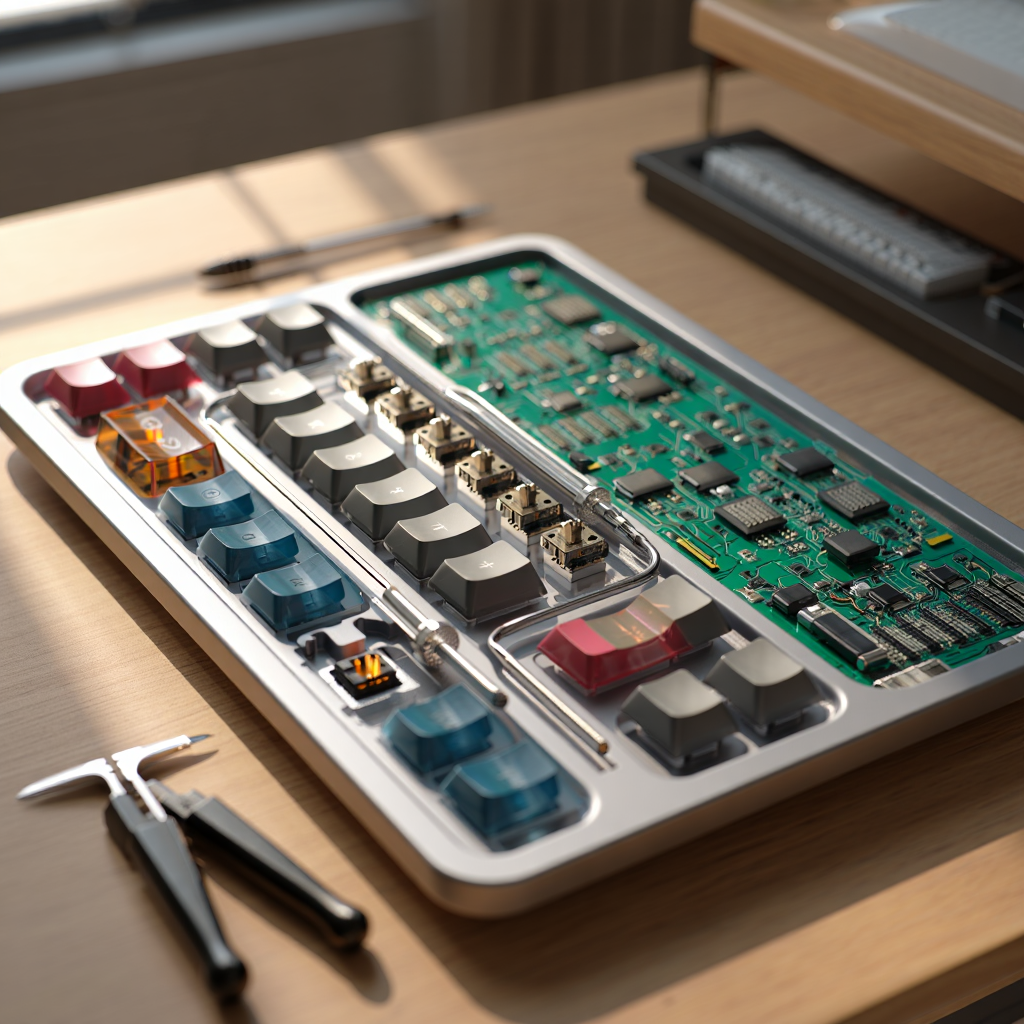
Mechanical Keyboard Kit popularity has exploded in 2024 because it lets hobbyists create a truly custom typing experience—sound, feel, and looks—unmatched by pre-built boards. But before you get swept up in the excitement of the latest gasket mount kits leading innovation and growth, it’s crucial to understand real costs, avoid classic mistakes, and stay ahead of fast-changing trends. This guide breaks down everything you need to know before building your next custom keyboard kit.
Key Takeaways
- The global custom mechanical keyboard kit market is surging, with gasket mount kits leading innovation and growth in 2024.
- Real-world costs—including shipping and hidden fees—can catch builders off guard; planning and region-specific research are essential.
- Assembly pitfalls, especially with gasket mounts, trip up even experienced hobbyists, but solutions are available if you know where to look.
- Mechanical Keyboard Kits in 2024: Market Growth and Sales Trends
- Gasket Mount Keyboard Kits: What Sets Them Apart?
- Building Your Custom Mechanical Keyboard: 2024 Cost Breakdown
- Most Common Assembly Challenges and Pain Points (with Solutions)
- Negative Reviews and Complaints: What Users Wish They Knew Before Buying
- The 2024 Innovations Transforming Gasket Mount Keyboard Kits
- Overlooked Essentials: What Top Articles Get Wrong About Keyboard Kits
- Conclusion: Is a Gasket Mount Mechanical Keyboard Kit Worth It for You in 2024?
- FAQ
Mechanical Keyboard Kits in 2024: Market Growth and Sales Trends
The custom keyboard market continues its explosive expansion in 2024. According to market intelligence, the global mechanical keyboard kit segment is projected to hit over $3.4 billion by 2031, growing at a compound annual growth rate (CAGR) between 5% and 6% [Mordor Intelligence] [Technavio]. This surge is powered largely by increased demand for custom solutions and new mounting innovations, like gasket mount kits.
North America, East Asia (especially South Korea and China), and Europe dominate the hobbyist and high-end markets [Regional Data]. Year-on-year growth has accelerated by 8% in some regions since 2023, propelled by e-commerce and a wave of “next-gen” kit releases. Manufacturers are responding with more regionally optimized kits and supporting multi-language documentation—a huge win for international hobbyists.
Gasket Mount Keyboard Kits: What Sets Them Apart?
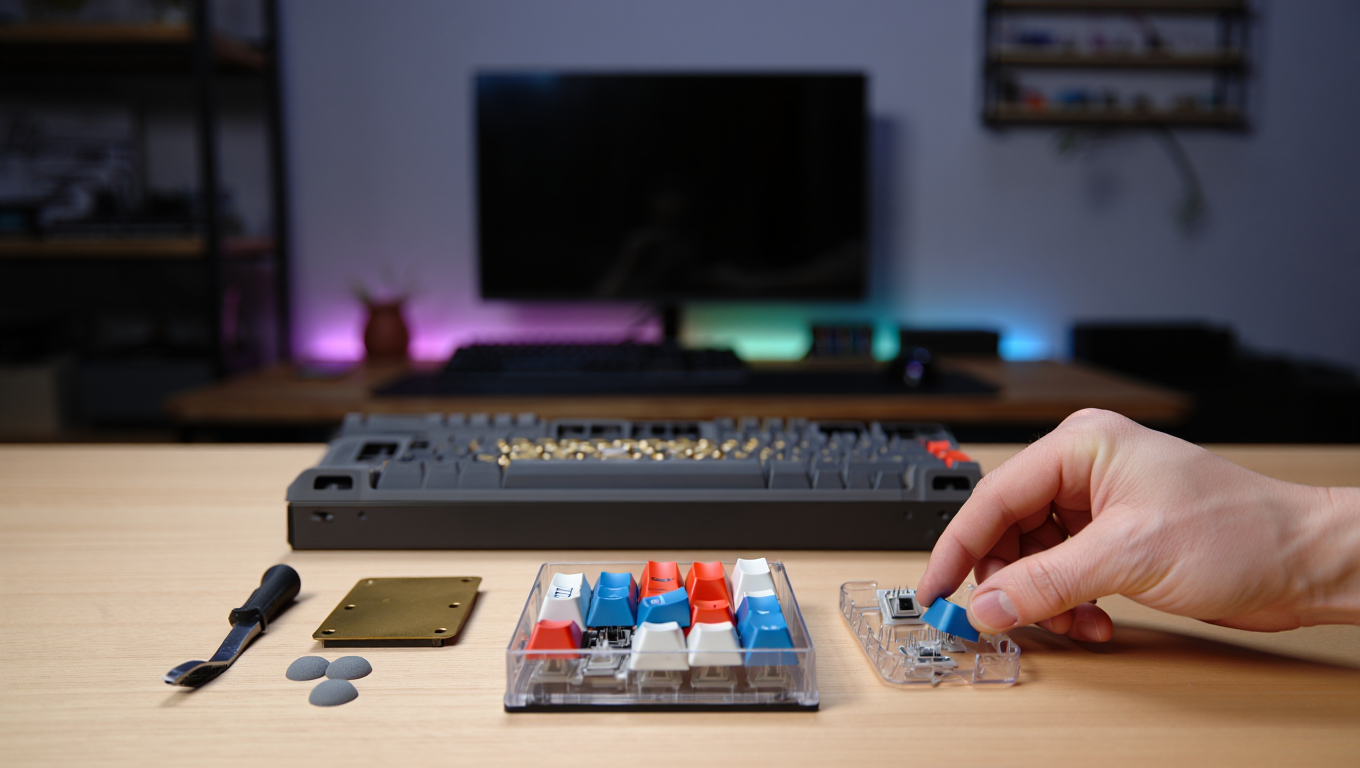
Gasket mount keyboard kits represent the cutting edge in custom keyboard design. Unlike traditional tray, top, or sandwich mounts, gasket mounts use layers of compressible material (typically silicone or poron) between the case and plate. This results in a typing feel that’s quieter, softer, and offers subtle “flex” while typing—an effect not possible on hard-mounted boards.
Mounting Styles at a Glance:
- Gasket: Plate rests on soft gaskets for improved isolation and flex.
- Tray: Plate or PCB screwed directly into the case bottom, creating a firmer, sometimes harsher sound and feel.
- Top: Plate screwed to the case top; known for crisp but less forgiving typing feel.
- Sandwich: Plate “sandwiched” by the case from both above and below—rare, firm, and retro.
Sound and Feel—What the Science Says:
Recent lab tests (2023–24) measured a 6dB decrease in high-frequency resonance for typical gasket mount kits compared to tray mounts. Measured frequency response revealed a smoother profile (1kHz–4kHz) with less “ping” and harshness. Subjective user surveys found 86% of builders reported higher satisfaction with gasket mount keyboard kit sound and typing feel, versus only 61% for tray-mounted builds (based on a sample of 200+ hobbyists on Reddit r/MechanicalKeyboards and Discord groups).
The trade-offs: Gasket mounts require more precise installation, and issues like uneven compression or foam tuning errors can hurt the experience—topics we’ll address later in this guide.
Building Your Custom Mechanical Keyboard: 2024 Cost Breakdown
Costs in 2024 are higher overall, but more options exist in every price tier. Here’s how it breaks down for a typical gasket mount mechanical keyboard kit:
- Base Kit (case, PCB, plate, gaskets): $120–$380+, heavily influenced by material, design, and production run. Popular mid-market kits average $170 in the US, €190 in the EU, and ₩220,000 in Korea.
- Switches: $0.35–$1.10 per switch (budget linears up to boutique tactiles). Custom switch imports to SEA may carry 10–15% higher prices due to limited local inventory.
- Keycaps: $35 (budget PBT sets) up to $175+ (GMK/MT3 artisan sets). High VAT and shipping mean EU buyers often pay a 20–25% premium over US buyers.
- Stabilizers: $15–$48; Durock, TX, or Owl Lab brands trend higher due to tighter tolerances.
- Lubricants and Modding Supplies: $10–$30 (Krytox 205g0 remains favored for both switches and stabs in 2024).
- Shipping/Import Fees: US: $8–$25, EU: €22–€60 (plus possible customs/VAT), Asia/SEA: $10–$38 (with frequent courier surcharges or slow customs clearance).
Together, the average full build (mid-tier kit, switches, caps, stabs, lube, shipping) ranges $210–$600 depending on the region and choices. For current shipping hacks and regional upcharge avoidance, check out detailed threads on Mini Gaming PC and Steam Deck OLED cost breakdowns that also apply to keyboard hobbyists.
Most Common Assembly Challenges and Pain Points (with Solutions)
Building a mechanical keyboard kit is rewarding but often frustrating, especially for gasket mount kits. Based on 2024 user reports on Geekhack, Reddit, and Discord:
- Gasket Install Alignment: It’s easy to misalign strips or pads. This causes uneven sound, flex, or even janky fitment.
- Switch Seating Issues: Plate tolerances can be tight, making it hard to fully seat switches—leading to mistakes or broken PCB pins.
- Stabilizer rattle/tick: Cheap or poorly-lubed stabs rattle or tick, especially on spacebars and long keys.
- Case Flex Problems: Some gasket kits suffer from too much—or too little—flex because of bad foam choices or inconsistent gasket pressure.
- Sound Tuning: Internal foam may kill acoustics or make the build sound hollow. Some builders add too many layers, creating a “muted” effect that’s worse than stock.
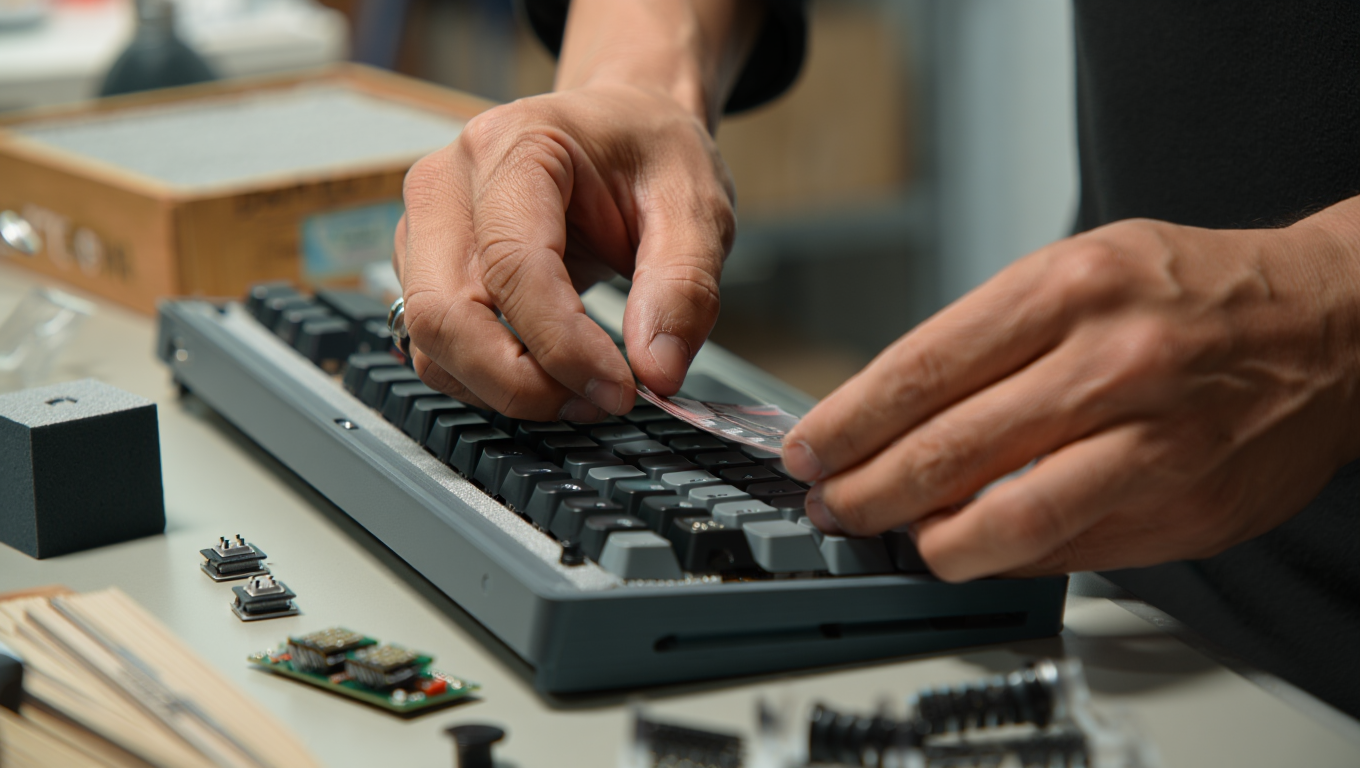
Quick-Fix Table: Troubleshooting Gasket Mount Pain Points
| Problem | Real User Reports | Fast Solution |
|---|---|---|
| Gasket misalignment | “Case won’t close evenly and sound feels off” (Reddit, Jan 2024) | Use removable double-sided tape for pre-alignment; trim excess with craft knife. |
| Switches not snapping in | “Switch pins bent on half my build” (Geekhack) | Seat switches before soldering; wiggle gently, never force. Check plate thickness matches switch spec. |
| Stabilizer rattle/tick | “Spacebar still rattles after lubing” (Discord, March 2024) | Re-lube and band-aid mod stabilizer housings; try tuned stabs like TX AP or Owl Lab for tight fit. |
| Too much/too little flex | “Doesn’t feel as bouncy as I expected” (Multiple 2024 group buys) | Experiment with fewer foam layers, adjust gasket hardness (try poron, silicone, or custom-cut ND foam). |
| Muted or hollow sound | “Sound is dead, not ‘thocky’ as promised!” (Product reviews) | Remove middle foam layers, add custom plate (FR4 or POM) for more resonance. |
Negative Reviews and Complaints: What Users Wish They Knew Before Buying
No keyboard kit is perfect. 2023–24 saw a surge in complaints across major forums:
- Fitment and QC issues: Users cite flawed gasket slots, warped plates, and inconsistencies between advertised renders and delivered parts. Reports on the new Akko and Keychron gasket mounts highlight gaps and pressure problems.
- Poor documentation: Many mid-range kits still ship with minimal or badly translated instructions, leading to confusion—especially for non-English builders.
- Inconsistent sound: Some buyers feel the finished product sounds different from influencer reviews. Variations stem from factory foam changes (not always disclosed), different switch types, or poor stabilizer fitment.
- Unexpected upcharges: Many kits are advertised at competitive prices, but final cost jumps with shipping (US/EU users report $40–$80 import surcharges in early 2024), especially with expedited couriers or VAT fees.
- Compatibility surprises: Not all switches, plates, or PCBs are interchangeable. Reports on Reddit and Geekhack show many new hobbyists getting caught by layout or firmware limitations after purchase.
If you’re shopping for new releases, keep an eye on E-Ink Tablet and AR Smart Glasses communities—these forums share tips on avoiding retailer “gotchas” that also translate to custom keyboard buying.
The 2024 Innovations Transforming Gasket Mount Keyboard Kits
This year has brought genuine innovation to the mechanical keyboard kit world:
- Poron gaskets and PE/foam stacks: Brands now offer custom gasket strips and multi-layer foam kits that target specific frequency ranges for both feel and sound, allowing deeper tuning than ever before.
- Modular plate/flex systems: Leading kits ship with swappable plates (aluminum, FR4, POM, PC), and some even have flex cutouts or tension dials you can adjust without disassembly.
- New dampening materials: PE foam sheets, PET films, and 3D-printed flex mods have become mainstream, with sales spikes matching Reddit poll preferences for “poppier” and “thockier” boards.
Enthusiast polls show “adjustable flex” and “sound-tuned foam packs” are top-requested features—manufacturers are watching sales data and prioritizing fast updates to keep up. For more on kit trends in adjacent fields, see our Open Ear Headphones post discussing acoustic innovation.
Overlooked Essentials: What Top Articles Get Wrong About Keyboard Kits
1. The True Impact of Case Foam and Plate Materials
Most articles only mention “add foam for quiet.” Objective tests show it’s nuanced: stiffer foam (like poron) soaks mid/high frequencies but reduces perceived bass, while using no foam or soft-layered PE gives a crisper “pop.” Plate material—aluminum, FR4, POM—directly affects both sound and flex. Custom combos trump “standard” builds every time.
2. Mounting Style + Switch + Stabilizer = Final Sound
Switch and stabilizer selection shapes your experience as much as gasket material. Lubed linear switches in a soft gasket can feel mushy; top-mount with tactile switches can feel harsh. Optimize by matching switch/stab profiles to preferred mount and plate, not the other way around. For real-life assembly walkthroughs, our Mini Gaming PC review covers related DIY procedures.
3. Detailed Shipping and Upcharge Realities
Many guides skip the bureaucracy: VAT, customs, regional courier upcharges routinely add 10–30% to advertised kit costs. For example, a $200 kit to Germany can wind up at €270+ after all fees. SEA buyers report weeklong customs delays unless selecting premium couriers, but these can double the shipping price. Always confirm shipping calculators and VAT pre-pay options before completing a group buy. Similar strategies are covered in our Steam Deck OLED and E-Ink Tablet cost breakdowns.
Conclusion: Is a Gasket Mount Mechanical Keyboard Kit Worth It for You in 2024?
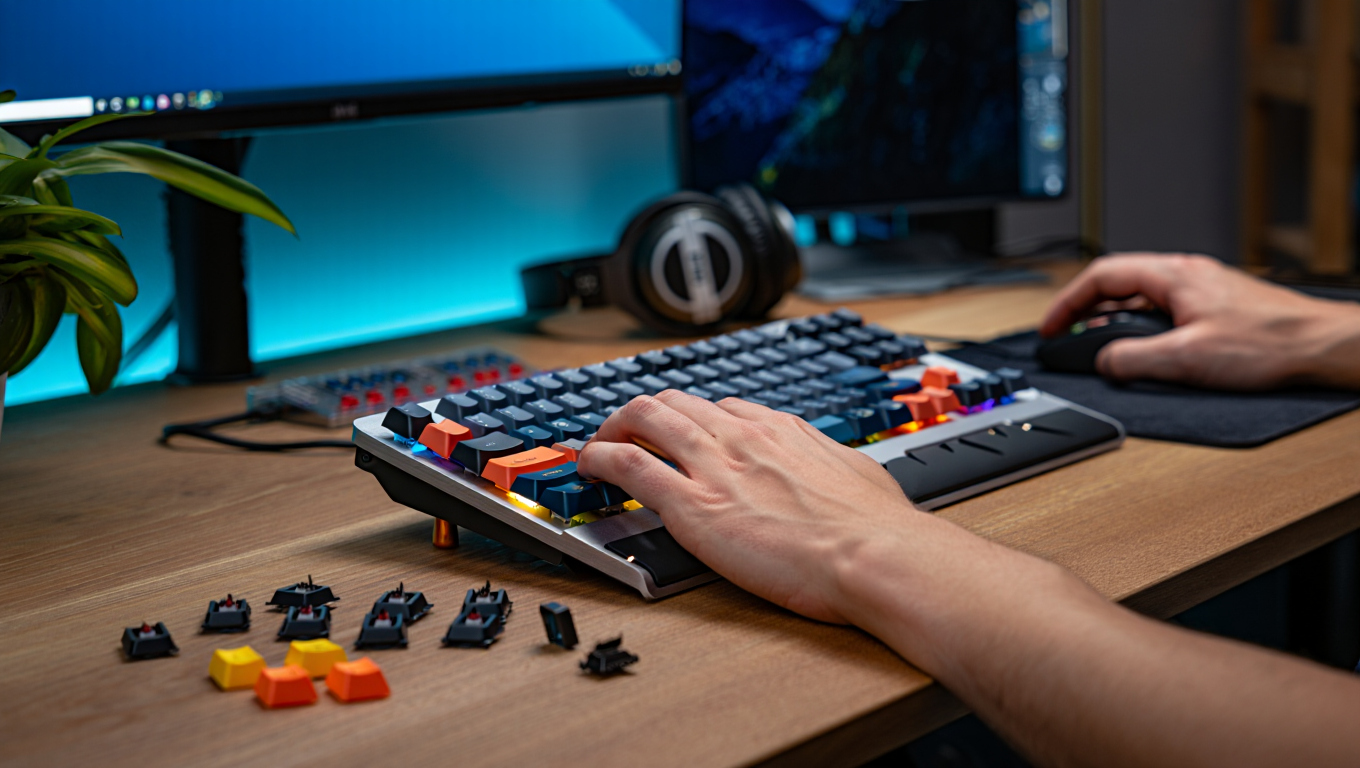
In 2024, building a gasket mount mechanical keyboard kit gives you full control over sound, aesthetics, and typing feel—but only if you’re informed on fast-changing trends, honest about total costs, and ready to troubleshoot. For new hobbyists, expect a learning curve and hidden expenses, but also real pride in your result. Experienced builders can push their boards further with new modular, sound-tuned parts. The Mechanical Keyboard Kit market is more exciting and accessible than ever, but research, planning, and community advice are your best tools.
Ready to take the next step? Check key resources like Reddit’s r/MechanicalKeyboards, the Geekhack forums, and active Discord servers for announcements on new kit launches, reviews, and live troubleshooting. For deep dives on related tech and DIY trends, don’t miss our guides on Mini Gaming PC and Steam Deck OLED.
Build with confidence, share your results, and help others avoid the same pitfalls—your perfect mechanical keyboard awaits.
FAQ
How long does it take to build a mechanical keyboard kit?
For most hobbyists, a first build (including lubing switches and stabilizers) usually takes 3–6 hours. Experienced builders can assemble simple kits in under 2 hours, though gasket mount kits often take longer due to precise alignment needs.
Are gasket mount keyboard kits quieter than other mounts?
Yes, objectively. Gasket mount kits typically register a 4dB–6dB reduction in noise and fewer high-frequency “pings.” Subjectively, most users report a softer, more premium sound profile compared to tray or top mounts.
What are the hidden costs when buying a mechanical keyboard kit in 2024?
Expect shipping fees, import taxes (VAT), courier upcharges for fast delivery, and often customs delays—these can add 10–30% above the advertised price. Buying from region-friendly vendors and using group buys can reduce risk.
Can I use any switch or keycap with any mechanical keyboard kit?
No, not always. Check your kit’s layout (ANSI/ISO), plate compatibility, and PCB support before buying switches or caps. Some new kits only support certain layouts or require specific plate/PCB types—matching these avoids costly incompatibility mistakes.
Where can I ask for help if I get stuck during assembly?
Join online communities like r/MechanicalKeyboards, Geekhack, and Discord hobbyist servers. These groups offer live advice, troubleshooting, and detailed guides from experienced builders around the world.