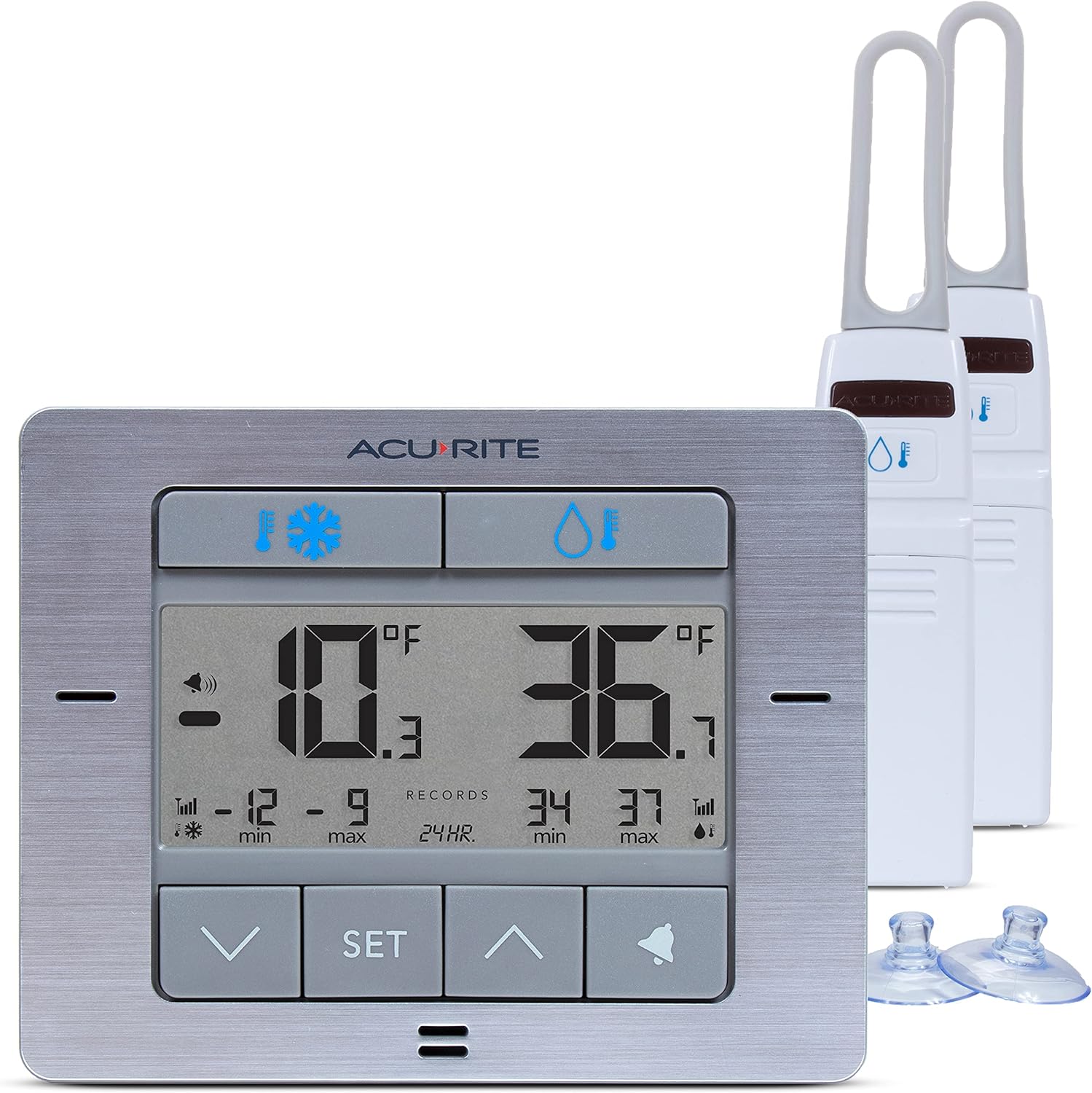
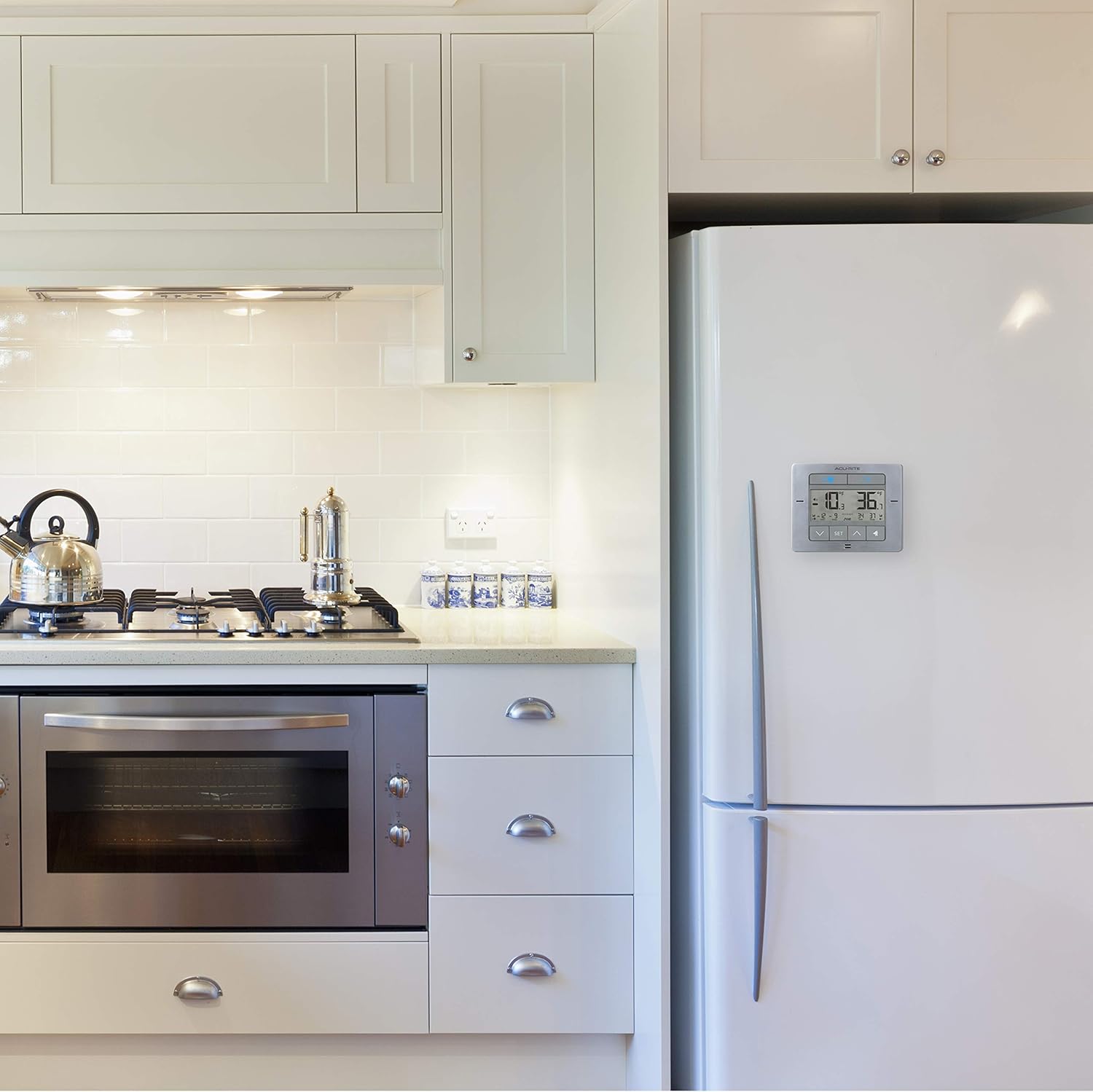
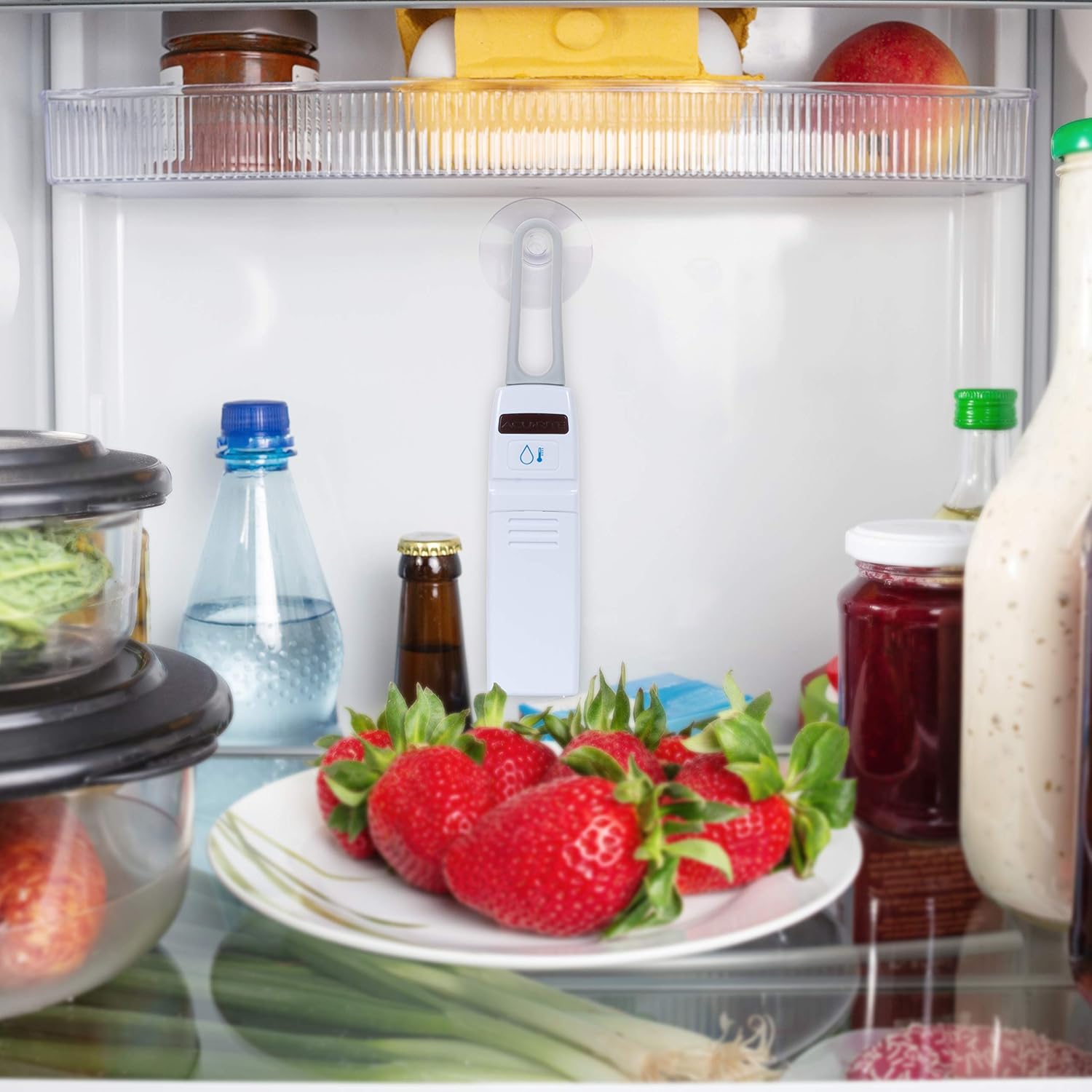

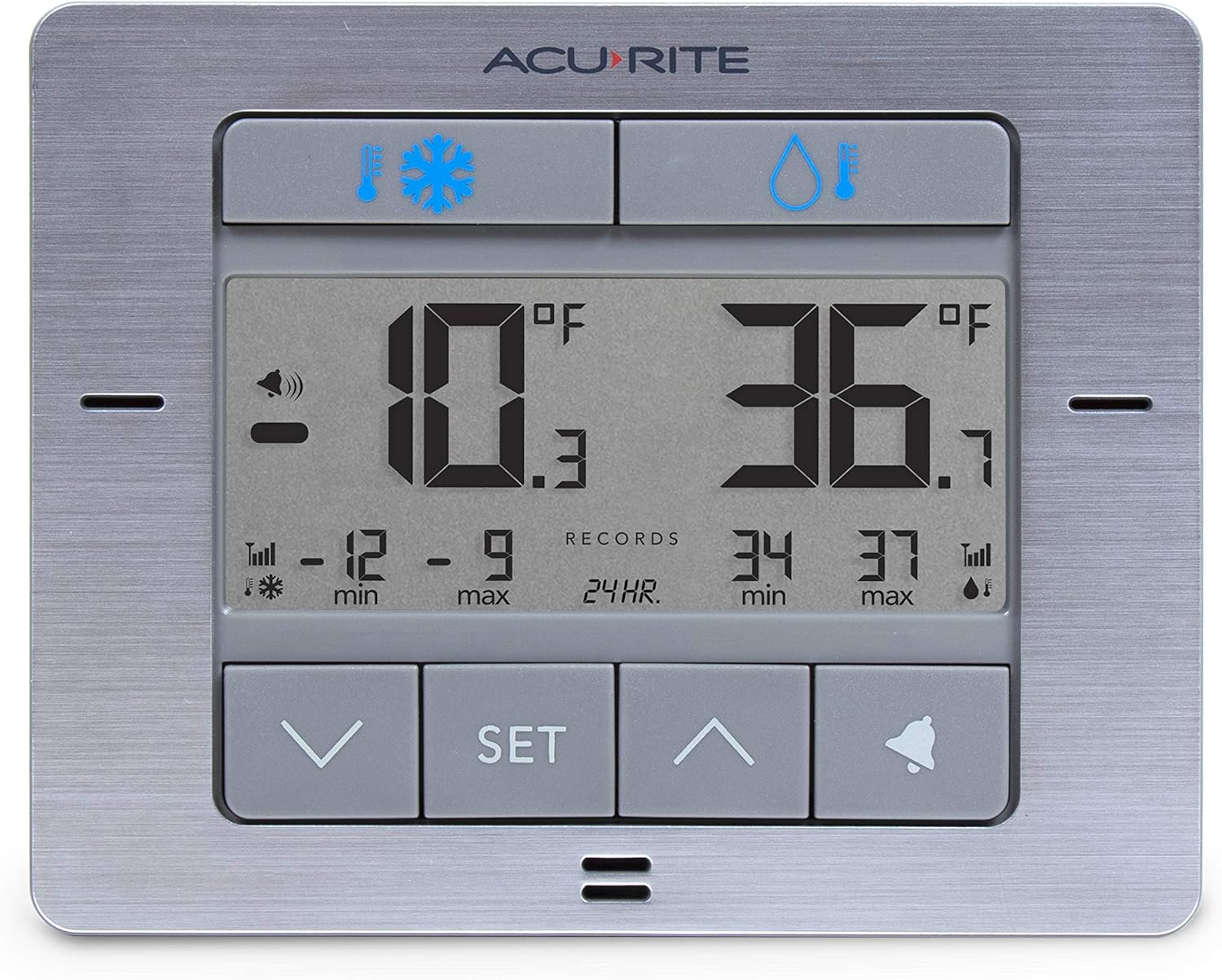

This digital thermometer set includes separate sensors for your fridge and freezer, transmitting real-time readings to a sleek LCD display. With customizable temperature alarms, you'll get instant alerts if a door is left open or an appliance fails, preventing food spoilage. The modern stainless steel finish fits any kitchen, while the versatile silicone sensor straps and multiple mounting options make setup a breeze—perfect for keeping your groceries safe and your mind at ease.
Why Every Kitchen Needs a Reliable Refrigerator Thermometer
Keeping your food at the right temperature is one of the simplest ways to prevent spoilage and protect your family’s health. Yet many home cooks rely on their appliance’s built-in thermostat, which is often inaccurate. A dedicated refrigerator thermometer gives you real-time, precise readings so you can catch problems before they waste groceries or cause illness. If you’re serious about food safety, pairing a fridge thermometer with a smart meat thermometer for cooking gives you complete temperature control from storage to plate.
What Is a Refrigerator Thermometer and Why Do You Need One?
A refrigerator thermometer is a device that measures the internal temperature of your fridge or freezer. The USDA recommends keeping your refrigerator at or below 40°F (4°C) and your freezer at 0°F (-18°C). A slight drift above these thresholds can cause bacteria to grow rapidly, leading to foodborne illness. A fridge freezer thermometer gives you early warning when temperatures rise due to a failing compressor, a door left ajar, or overpacking.
Beyond safety, using a thermometer helps you save money. When you know the exact temperature, you can adjust settings to avoid freezing your lettuce or wasting energy. A digital temperature monitor takes the guesswork out of appliance management.
Features of a High-Quality Digital Appliance Thermometer
The best appliance thermometer models go beyond a simple dial. Let’s look at the standout features of the AcuRite Digital Refrigerator and Freezer Thermometer Set.
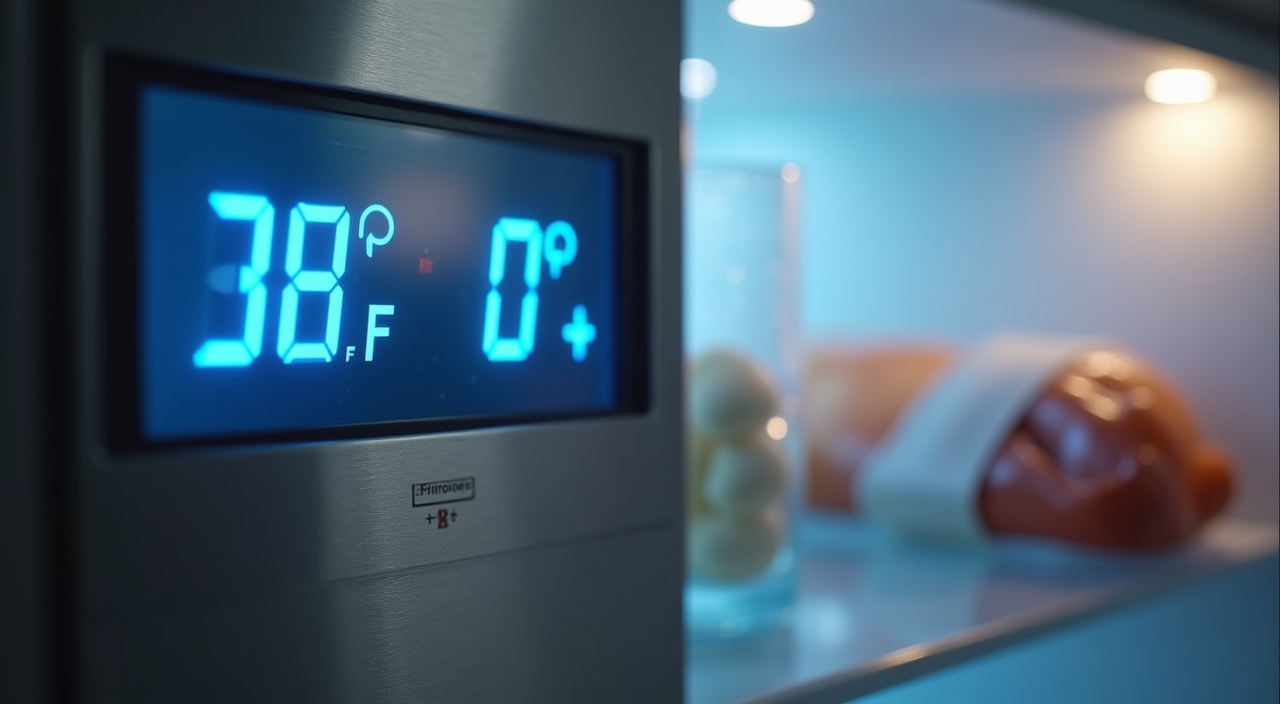
Dual Sensors – One Display for Both Zones
This set includes two separate sensors: one for the refrigerator and one for the freezer. Both transmit readings to a single digital display, so you can monitor both zones at a glance. No more opening doors repeatedly to check a dial.
Easy-to-Read LCD Display with Flexible Mounting
The display features a large LCD display that shows current temperatures clearly. It comes with a magnetic backing for attaching to the fridge door, a keyhole for wall mounting, and a foldout stand for countertop use. You can place it wherever is most convenient for your kitchen layout.
Customizable Temperature Alarms
One of the most valuable features is the temperature alarm. You can set high and low thresholds for both zones. If the temperature spikes because the door was left open or the appliance starts failing, the alarm sounds immediately. This early warning can save you from losing hundreds of dollars in food.
Multipurpose Silicone Sensor Straps
The sensors come with silicone straps that can be attached using suction cups or wrapped around a wire shelf. This flexibility ensures accurate placement inside your fridge or freezer, away from walls where temperatures can be misleading.
Modern Stainless Steel Finish
The display unit has a sleek stainless steel finish that blends with any kitchen décor. It’s not just functional – it looks great sitting on your counter or hanging on the wall.
Product Comparison: Digital Thermometer vs. Traditional Analog Thermometer
When shopping for a temperature gauge for your kitchen, you’ll likely compare digital models to classic analog dials. Below is a side-by-side comparison to help you decide which is right for you. For more on why comparison tables matter, see this research on providing comparison features from Baymard Institute and best practices from the Nielsen Norman Group.
| Feature | Digital Thermometer (AcuRite) | Analog Dial Thermometer |
|---|---|---|
| Accuracy | ±1°F – highly precise | ±5°F – less reliable |
| Readability | Large LCD digits, easy to read from across the room | Small dial can be hard to read, especially inside fridge |
| Alarms | Customizable high/low temperature alarms | None |
| Mounting Options | Magnetic, keyhole, stand – flexible | Usually hangs from a hook or sits on a shelf |
| Dual Zone Monitoring | Yes – includes separate sensor for freezer | Single unit, requires buying two if needed |
| Price | Moderate (under $30 for the set) | Very low (under $10 each) |
| Durability | Stainless steel, long-lasting | Glass and plastic, can break easily |
The table clearly shows that a digital kitchen thermometer outperforms analog options in accuracy, convenience, and safety features. For the small price difference, the extra peace of mind is well worth it.
Pros and Cons of the AcuRite Refrigerator Thermometer
Pros
- Dual sensors – monitor both fridge and freezer from one display
- Customizable alarms – avoid food waste due to temperature swings
- Easy mounting – magnetic backing, wall keyhole, or stand
- Clear LCD display – shows temperature in large numbers
- Stainless steel design – looks modern and professional
- Silicone sensor straps – flexible placement inside appliances
Cons
- Not Wi-Fi enabled – you can’t check temperature remotely
- Display requires batteries – not rechargeable
- Sensor wires are fixed – can’t extend if needed for large fridges
Frequently Asked Questions
Where should I place my refrigerator thermometer?
Place the sensor in the center of the fridge, away from the walls and door. Avoid placing it near the cooling vents to get an accurate average temperature. For the freezer, place it among frozen items.
How often should I check the thermometer?
With a digital display, you can glance at it daily. If your unit has a temperature alarm, you’ll be notified immediately if something goes wrong, so you don’t need to check constantly.
Can I use a refrigerator thermometer in a cooler?
Yes. A portable digital thermometer like this can also be used in a cooler or ice chest to monitor temperatures during camping or picnics.
What is the ideal temperature range for a refrigerator?
The USDA recommends 35–38°F for a fridge (below 40°F) and 0°F for a freezer. Use the alarm feature to alert you if the temperature goes above 40°F or below 32°F in the fridge.
How accurate are digital refrigerator thermometers?
High-quality digital models are accurate to within ±1°F, while analog dials can be off by ±5°F or more. That’s why a digital appliance thermometer is preferred for food safety.
Get the AcuRite Refrigerator Thermometer with Temperature Alarms
Monitor your fridge and freezer temperatures with precision. The dual sensors and customizable alarms give you peace of mind and help prevent costly food spoilage.
Conclusion
Investing in a quality refrigerator thermometer is one of the smartest decisions you can make for your kitchen. It protects your food, saves money, and gives you confidence that your appliances are working correctly. The AcuRite digital set goes a step further with dual sensors and alarms, making it a standout choice for any home. For other ways to protect your home with smart sensors, check out our guide on smart water leak detectors to prevent flooding damage.